
Are You Recovering Enough? Key Recovery Metrics Every Pro Cheerleader Should Monitor
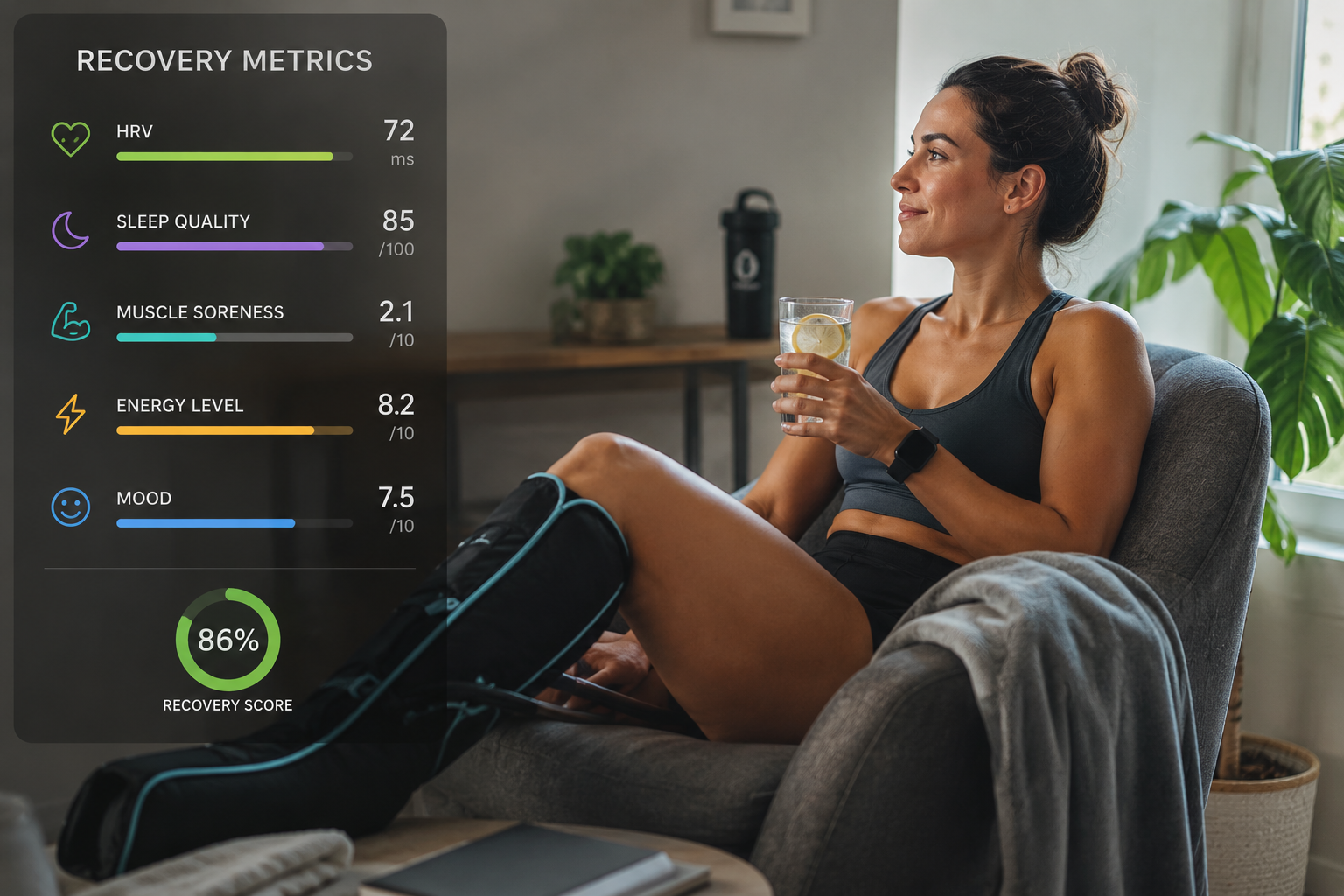
Professional cheerleading demands far more than polished routines and high-energy performances. Behind every jump, stunt, and dance sequence is an athlete whose body is constantly adapting to intense physical demands. While training and practice often receive the most attention, recovery is equally important. Without proper recovery, performance can decline, injury risk can increase, and long-term athletic development may suffer. Monitoring recovery metrics can help pro cheerleaders understand how well their bodies are responding to training and whether adjustments are needed.
Why Recovery Matters
Cheerleading places significant stress on muscles, joints, and the nervous system. Repetitive practices, game-day performances, travel schedules, and strength training sessions can create cumulative fatigue over time. Recovery allows the body to repair tissue, replenish energy stores, and prepare for future performance.
When recovery is neglected, athletes may experience decreased power, slower reaction times, reduced flexibility, and mental exhaustion. Tracking recovery indicators provides valuable insight into whether the body is adapting positively or showing signs of excessive strain.
Sleep Quality and Duration

Sleep is one of the most important recovery tools available to any athlete. During sleep, the body repairs damaged tissues, regulates hormones, and supports cognitive function. Rather than focusing only on total hours slept, cheerleaders should also consider sleep quality. Frequent waking, difficulty falling asleep, or feeling tired despite adequate sleep can indicate incomplete recovery. Most athletes benefit from seven to nine hours of quality sleep each night, with some requiring even more during periods of intense training or competition.
Read more: The Science of Sleep: How to Improve Sleep Quality for Better Dance Performance
Resting Heart Rate
Resting heart rate is a simple but effective recovery metric. It measures how many times the heart beats per minute while the body is at complete rest. A sudden increase in resting heart rate compared to an athlete's normal baseline may suggest accumulated fatigue, illness, dehydration, or inadequate recovery. Tracking this number consistently can help identify trends before performance begins to suffer.
Many fitness watches and health-tracking devices make monitoring resting heart rate easy and accessible.
Energy Levels and Mood

Recovery isn't purely physical. Mental and emotional well-being play a significant role in athletic performance. Cheerleaders should pay attention to daily energy levels, motivation, mood, and overall enthusiasm for training. Persistent irritability, lack of focus, unusual stress, or reduced motivation may signal that the body and mind need additional recovery time.
Keeping a simple journal can help athletes identify patterns and recognize early warning signs of overtraining.
Muscle Soreness and Mobility

Some soreness after training is normal, especially following intense practices or strength sessions. However, prolonged soreness that lasts several days may indicate insufficient recovery. Monitoring mobility is equally important. Stiff muscles, limited range of motion, or difficulty performing routine movements can affect technique and increase injury risk.
Regular stretching, mobility work, hydration, and active recovery sessions can help maintain movement quality while supporting recovery.
Read more: Pro Cheer Wellness: Muscle Soreness After a Game Day? Here’s What Actually Helps
Performance Consistency
One of the clearest indicators of recovery is performance itself. If jumps are losing height, stunts feel heavier, timing feels off, or endurance declines despite regular training, the body may not be fully recovered. Tracking performance trends can help athletes determine whether fatigue is impacting their ability to execute skills safely and effectively.
Final Thoughts
Recovery is not a sign of weakness or inactivity—it is a critical part of athletic success. Professional cheerleaders who monitor key recovery metrics such as sleep quality, resting heart rate, energy levels, muscle soreness, mobility, and performance consistency gain valuable insight into their overall readiness. By paying attention to these indicators, athletes can make smarter training decisions, reduce injury risk, and maintain the high level of performance required throughout a demanding cheerleading season.
Need a Great Workout Routine for Your Pro Cheer Audition Prep?
Pro cheerleaders train to be strong, flexible, toned, and performance-ready. That confident, high-energy presence on the arena floor doesn’t happen by accident — it’s built through smart, consistent training.
If you're serious about auditioning, your workouts need to prepare you not just to look the part… but to perform like a pro. Start with our POM FIT™ INTRO CLASS (Free for a LIMITED time)

This fun, beginner-friendly cardio class introduces you to foundational pom-style movements that help you:
- Build endurance
- Improve coordination
- Strengthen key muscle groups
- Boost confidence in your movement
It’s the perfect starting point if you’re new to pro-style training or getting back into shape for auditions.
Ready to level up?
Take your training further with POM FIT™: GAMEDAY1™ (USD 27.00) — a high-energy series of full-body cardio classes designed specifically for aspiring pro cheerleaders.

Inside GAMEDAY1™, you’ll get:
- A full-body cardio burn
- Body stretch class
- Kick stretch class
- Abdominal workout class
- And more performance-focused conditioning
This is the kind of structured training that helps you look sharp, feel strong, and perform with power on audition day. Start training like a pro today and build the foundation you need to shine at auditions!