
Future-Proof Dance Moves Every Dancer Should Know
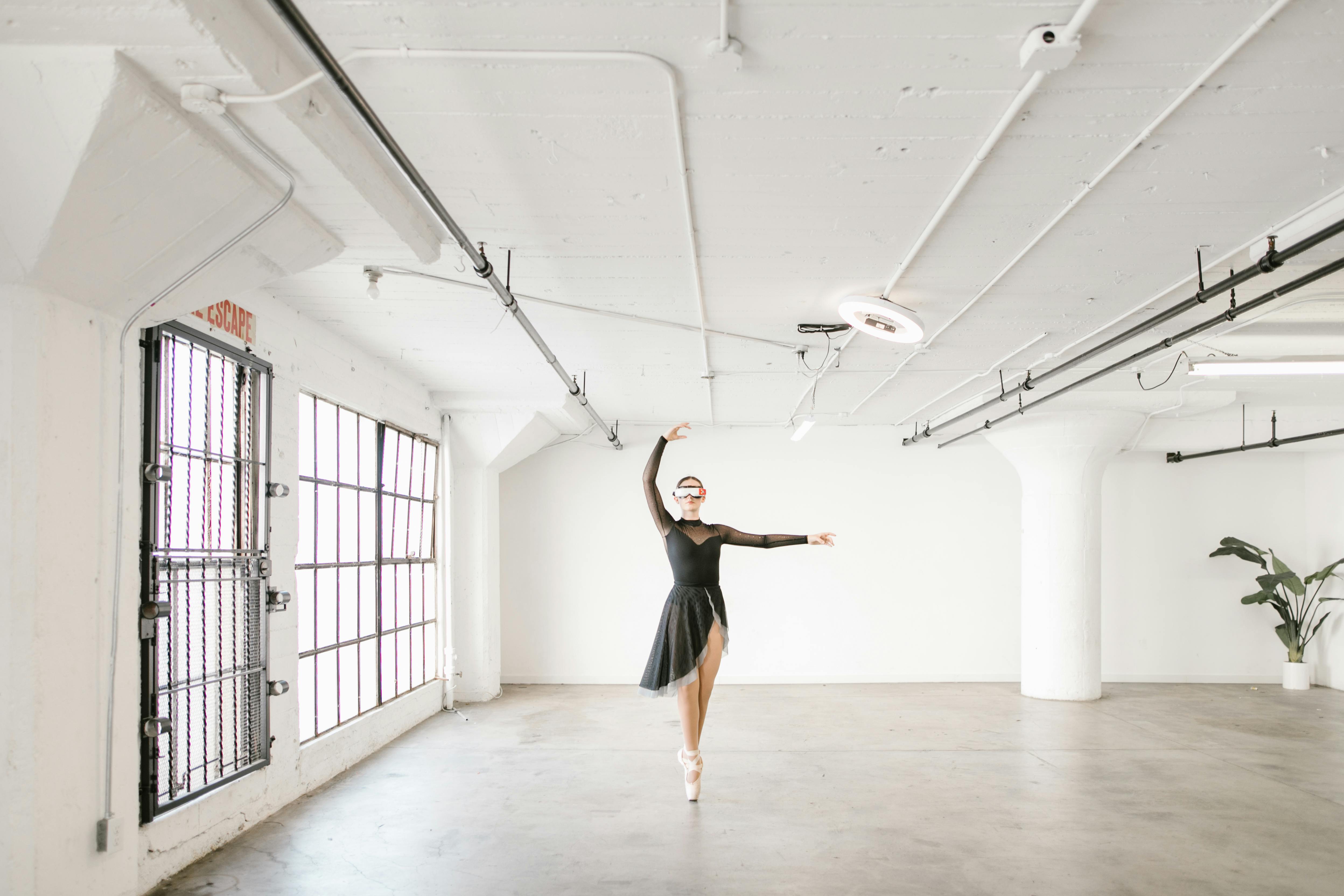
Dance trends move fast. One season it’s all about sharp, viral choreography, the next it’s fluid freestyle and musicality. But beneath the changing aesthetics, there are certain movements that never lose relevance. These are the foundations that adapt across styles, platforms, and performance spaces. If you want your dancing to stay current without constantly chasing trends, mastering these future-proof moves is the smartest place to start.
1. Clean Grooves and Weight Shifts
No matter the style, groove is king. Being able to shift your weight smoothly, settle into the music, and move with intention is what makes choreography look natural instead of forced. Simple grooves like step-touches, rocks, and bounces show up in hip-hop, jazz funk, commercial, and even contemporary work. Trends may change, but dancers who understand how to live inside the beat always stand out.
Discover: What Does It Mean to Be an Experienced, Versatile Dancer?
2. Strong Isolations
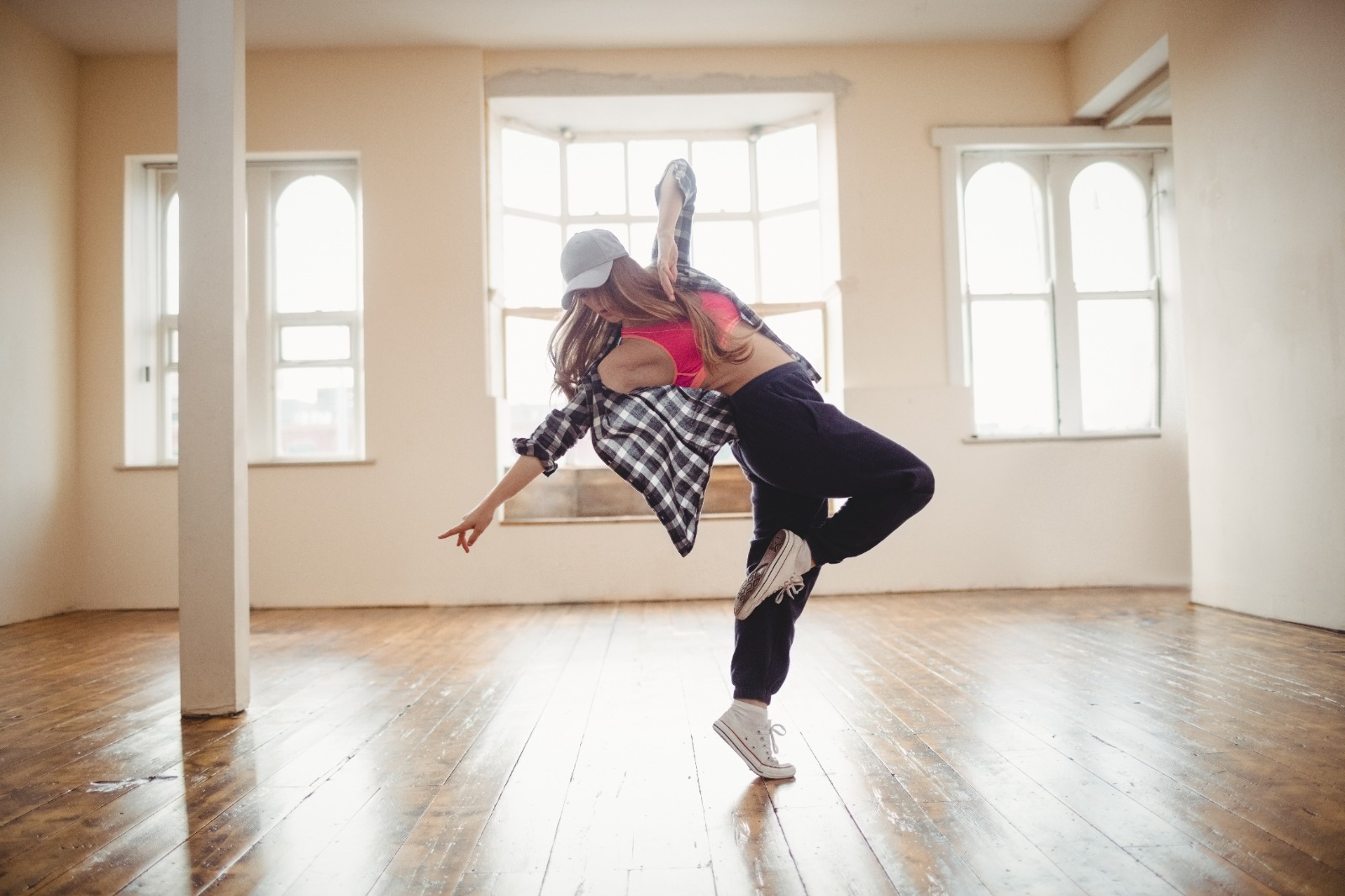
Isolations are a lifelong asset. The ability to move one part of your body independently from the rest gives you control, clarity, and texture. Head, rib, shoulder, and hip isolations are everywhere, from stage performances to camera-focused choreography. As dance continues to evolve for digital platforms, clean isolations help movements read clearly on screen, making them more valuable than ever.
3. Turns With Control
Turns never go out of style, but control matters more than quantity. Clean single turns, pivots, and directional changes are far more useful than flashy multi-turns that fall apart. Whether you’re dancing in heels, sneakers, or barefoot, being able to spot, balance, and exit a turn smoothly keeps your movement polished and adaptable across genres.
Read more: What Is Body Awareness in Dance—and Why It Matters
4. Floor Awareness and Levels
Modern choreography plays heavily with levels. Knowing how to move confidently from standing to low levels and back up again adds depth to your performance. This doesn’t mean extreme floorwork. Simple drops, slides, lunges, and controlled kneels are often enough. Dancers who understand spatial awareness and level changes tend to look more dynamic and intentional, especially in group settings.
5. Musical Accents and Texture Changes
Future-proof dancers don’t just count steps, they interpret sound. Hitting accents, playing with speed changes, and switching between sharp and smooth textures makes choreography feel alive. As music production continues to evolve, dancers who can adapt their movement quality to different sounds will always feel current, no matter the genre.
6. Freestyle Fundamentals
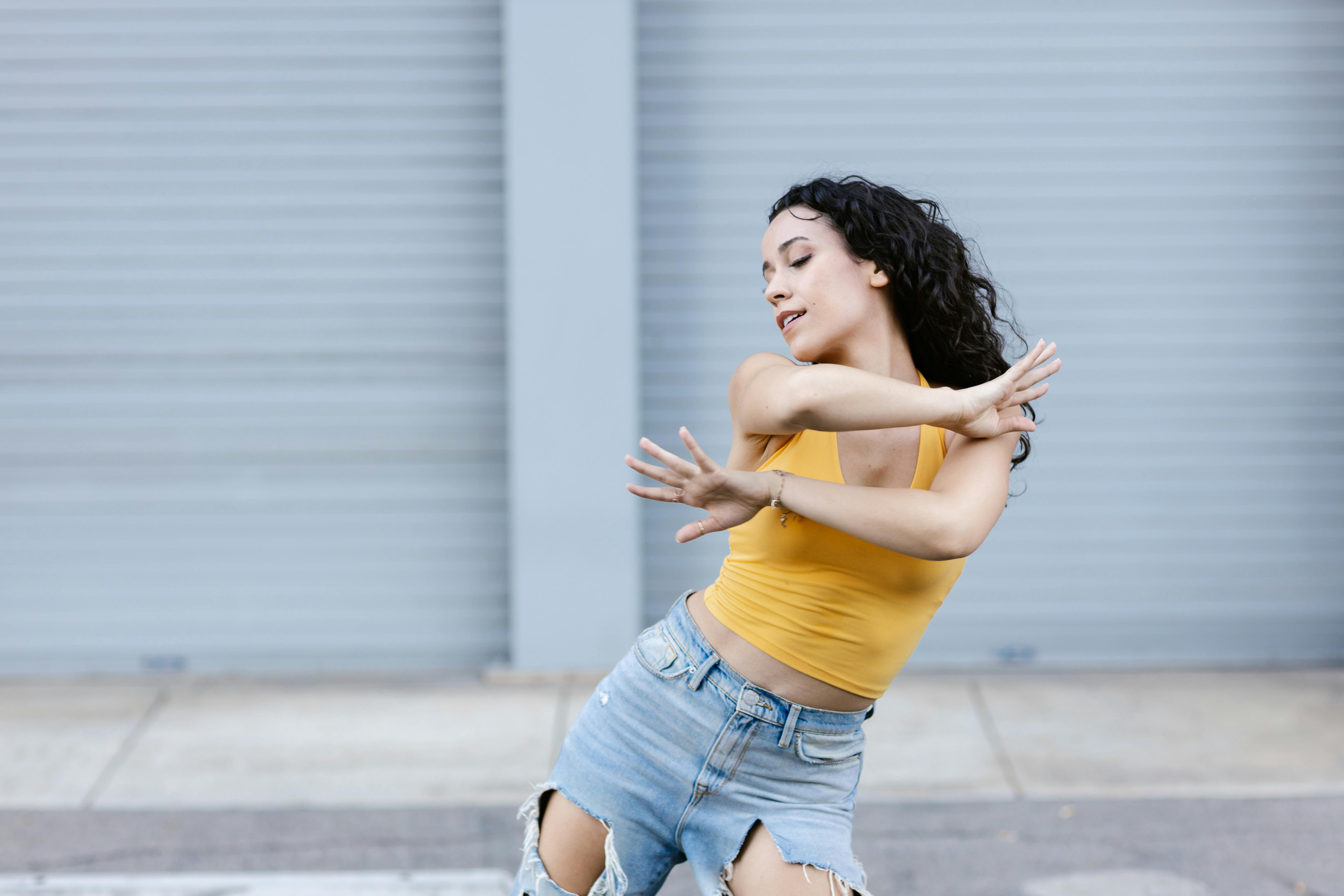
Even in highly choreographed spaces, freestyle ability matters. Simple freestyle skills like grooves, transitions, and directional changes help dancers pick up choreography faster and perform it with more confidence. Freestyle also builds adaptability, which is crucial in auditions, battles, and on-the-spot creative moments.
Read more: How to Freestyle Dance (A Guide for Beginners)
Final Thoughts
Future-proofing your dance isn’t about memorizing trends. It’s about building skills that grow with you. Clean grooves, strong control, musicality, and spatial awareness form a foundation that works in any era. When you focus on these essentials, you don’t just keep up with the future of dance, you move with it.
Do You Picture Yourself As A Professional Cheerleader? Get Expert Advice From Someone Who's Been There.
If you dream of joining a dance team audition but have no idea how to get started, my book entitled Professional Cheerleading Audition Secrets: How To Become an Arena Cheerleader for NFL®, NBA®, and Other Pro Cheer Teams will guide you through every step of the way.
I wrote this book because I WOULD LOVE FOR YOU TO DISCOVER the best tips and advice on staying fit and beautiful, adopting the right mindset, maintaining your image, and more... so you can MAKE YOUR DREAM TEAM!
My tips are based on my 20+ years of experience in the professional cheerleading industry.
Grab a copy of my book by clicking the text or image below:
