
How to Use Facial Expressions to Elevate Your Dance Performance
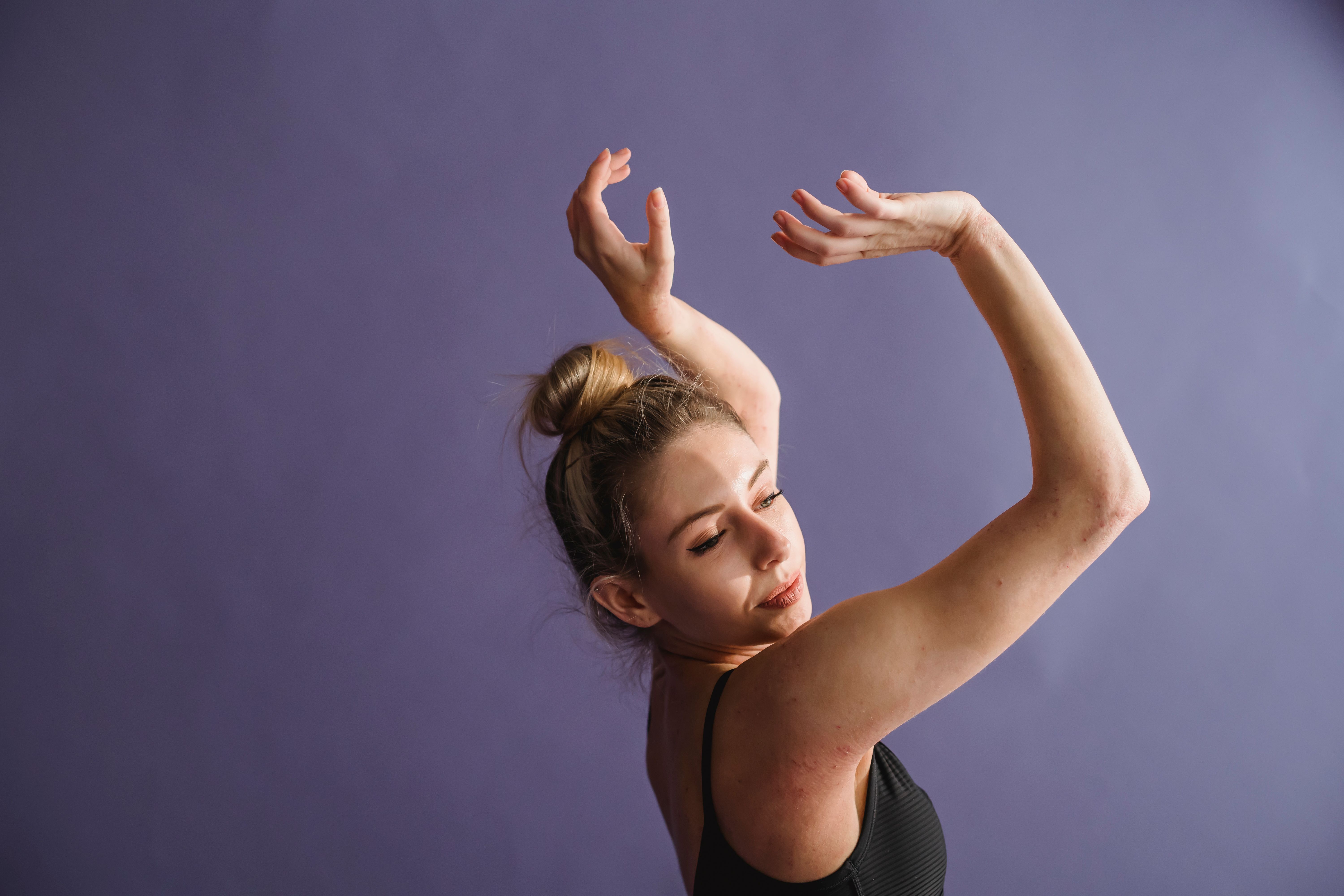
Dance is more than executing choreography, hitting the right counts, and mastering technique. It is also about communicating emotion, connecting with an audience, and bringing music to life. One of the most effective ways to make a performance memorable is through facial expressions. Whether you are preparing for a professional dance team audition or performing on stage, your expression can help transform technically accurate movements into a captivating performance. Learning to use your face intentionally can strengthen your stage presence, boost your confidence, and help you stand out as a dancer.
1. Understand the Emotion Behind the Choreography
Before deciding how to express yourself, understand the mood and message of the routine. Is the choreography playful, powerful, confident, sultry, or emotional? Your facial expressions should complement the music and movement rather than feel disconnected from them.
Listen carefully to the song and identify moments where the energy changes. A confident smile may suit an upbeat section, while a focused, intense expression might work better during a powerful combination. Understanding the choreography's intention helps your expressions feel natural and purposeful.
2. Practice Performing in Front of a Mirror
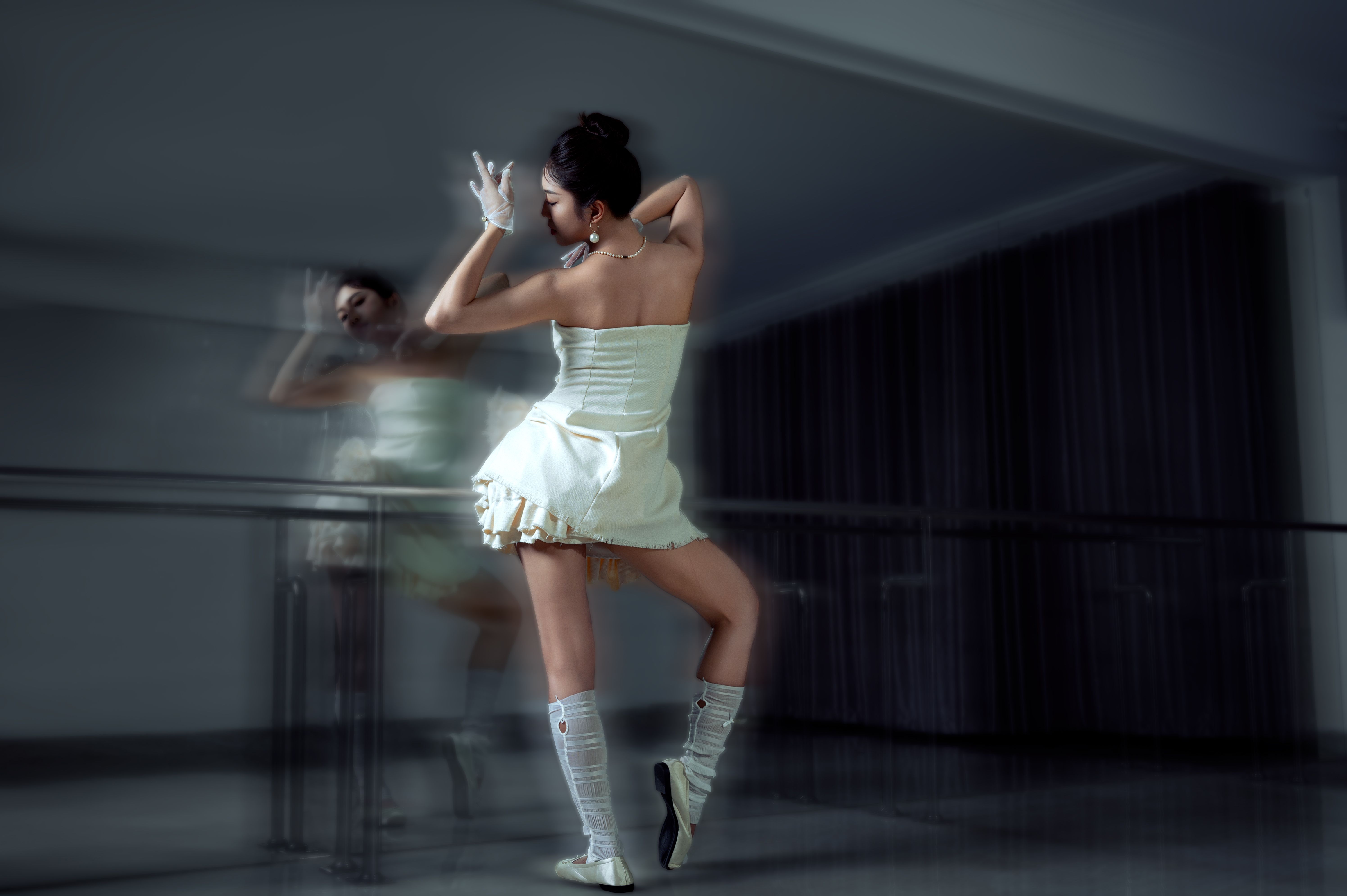
A mirror can help you recognize facial habits you may not notice while dancing. You might discover that you look down during difficult movements, tense your jaw when concentrating, or maintain the same expression throughout an entire routine.
Practice your choreography while experimenting with different expressions. Keep your eyes engaged, relax unnecessary tension in your face, and notice how your expression changes the overall impression of your performance.
However, avoid relying entirely on the mirror. Once you become familiar with your expressions, practice without it so you can focus on movement and audience connection.
3. Use Your Eyes to Connect With the Audience
Your eyes play a major role in communicating confidence and personality. Looking toward the audience, directing your gaze intentionally, and maintaining an alert expression can make your performance feel more engaging.
Practice choosing specific focal points rather than constantly looking around or staring at the floor. During auditions, follow the choreographer's instructions about where to direct your attention.
Strong eye contact does not mean forcing an intense stare. Instead, aim for a confident, present expression that makes your performance feel connected and authentic.
Read more: How to Connect with People: An Essential Skill for Pro Cheerleaders
4. Match Your Expressions to the Music

Facial expressions become more effective when they follow the rhythm and emotional shifts of the music. Pay attention to musical accents, changes in tempo, and moments when the choreography builds in intensity.
For example, a sharp head movement paired with a confident expression can emphasize a strong musical accent. A softer movement accompanied by a relaxed smile can create a different impression.
Practice coordinating these details until your expressions complement the choreography without distracting from the technique.
5. Avoid Forced or Repetitive Expressions
Constantly smiling or exaggerating every expression can make a performance feel unnatural. Instead, allow your face to respond to the character, mood, and energy of the routine. Record yourself dancing and review whether your expressions appear genuine and consistent with the choreography. Ask a trusted coach for feedback if you are unsure how your performance comes across.
Discover: Build Camera Confidence by Filming Outdoor Dance Sessions
Final Thoughts
Facial expressions can elevate your dance performance by adding personality, emotion, and connection to your technique. With regular practice, intentional eye focus, and a clear understanding of the music, you can learn to communicate more confidently through movement and expression. Remember, the goal is not to create a perfect smile or dramatic look. It is to make your performance feel authentic. When your expressions support your choreography, you give the audience another reason to remember your dance.
Do you picture yourself as a professional cheerleader?
If you dream of making a dance team but don’t know where to start, my book, Professional Cheerleading Audition Secrets: How to Become an Arena Cheerleader for NFL®, NBA®, and Other Pro Cheer Teams, walks you through the entire process — step by step.
I wrote this book because I truly want you to have access to the insider guidance I wish more aspiring cheerleaders had. Inside, you’ll learn proven strategies for:
- Staying fit and stage-ready
- Developing the confident, resilient mindset judges look for
- Presenting a polished, professional image
- Standing out at auditions
- And performing at your absolute best under pressure
Every tip comes from over 20 years of experience in the professional cheerleading industry — the real-world lessons, the mistakes to avoid, and the details that can make the difference between getting cut and making the team.
If you're serious about earning your spot and turning your dream into reality, this book is your competitive edge.
Click below to grab your copy and take the first step toward making your dream team.
