
Hydration Tips for Dancers as the Weather Warms Up
When temperatures rise, dancers feel it fast. Studios heat up, rehearsals feel heavier, and sweat becomes constant. That seasonal shift might seem minor, but it changes how your body performs. Hydration moves from being a basic habit to a critical part of your training strategy.
Your body is constantly working to regulate temperature while you dance. The harder you move, the more heat you generate. Sweat cools you down, but it also drains fluids and essential minerals. As the weather warms up, that fluid loss increases. Even mild dehydration can impact stamina, balance, coordination, and mental focus. For dancers, that can mean slower reaction time, less stable turns, reduced jump height, and increased injury risk.
Hydrate Before You Step Into the Studio
One of the biggest mistakes dancers make is waiting until rehearsal to start drinking water. Thirst is not an early warning sign. By the time you feel thirsty, you are already mildly dehydrated.
Make hydration part of your daily routine. Sip water consistently throughout the day, especially in the hours leading up to class. A simple indicator of proper hydration is urine color. Pale yellow usually signals adequate hydration, while darker shades suggest you need more fluids.
Think of hydration as preparation, just like warming up your muscles.
Read more: The Importance of Hydration for Athletes
Sip Smart During Rehearsals
During class or rehearsal, avoid chugging large amounts of water at once. It can feel heavy and uncomfortable, especially during intense choreography. Instead, take small, steady sips during breaks.
If you are dancing for more than an hour, or working at high intensity, consider adding electrolytes. Sweat removes not just water but also sodium and potassium, which support muscle contractions and nerve signaling. Replacing these minerals can help reduce cramping and early fatigue. If you are rehearsing outdoors or in humid conditions, increase your intake even more. Heat and humidity accelerate fluid loss, sometimes without you noticing until your performance starts to decline.
Adjust Based on Dance Style and Intensity
Not every class demands the same hydration strategy. A light technique class may not require as much fluid replacement as a high-energy hip hop rehearsal or a full run-through before competition.
Pay attention to how your body feels. If you are drenched in sweat or breathing heavily for extended periods, you likely need more fluids. Training volume also matters. Multiple classes in a day require consistent hydration between sessions to maintain performance quality.
Support Hydration Through Nutrition
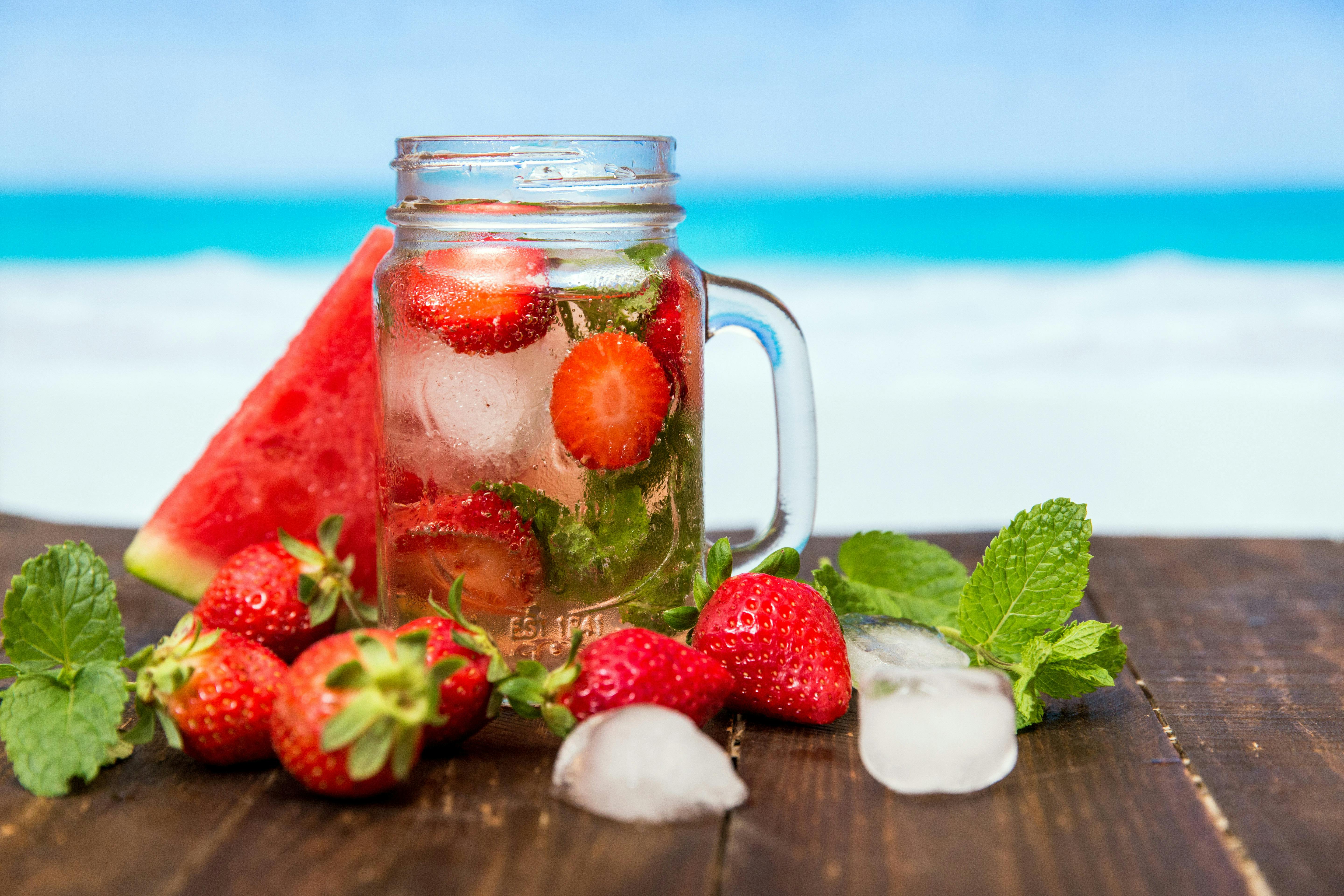
Hydration is not just about what you drink. It is also about what you eat. Fruits and vegetables with high water content can support fluid balance. Watermelon, oranges, cucumbers, and strawberries are simple additions that help.
Balanced meals also improve how your body absorbs fluids. Try not to rely heavily on sugary or highly caffeinated drinks. They may give a temporary boost, but they can also contribute to energy crashes or additional fluid loss later.
Prioritize Post-Dance Recovery
Hydration does not stop when rehearsal ends. After dancing, continue drinking water to replace what you lost. For longer rehearsals, you can weigh yourself before and after to estimate sweat loss. Generally, for every pound lost, aim to drink about 16 to 24 ounces of fluid to rehydrate properly.
Watch for warning signs like headaches, dizziness, muscle cramps, dry mouth, or unusual fatigue. These are signals to slow down, cool off, and rehydrate. Ignoring them increases the risk of heat-related illness.
Read more: The Best Recovery Tips After Intense Professional Cheerleading Practices
Final Thoughts
As the weather warms up, hydration becomes a performance tool, not just a wellness habit. It supports endurance, muscle function, coordination, and recovery. When you treat hydration as part of your training plan, you protect both your artistry and your longevity as a dancer.
Drink consistently. Listen to your body. Adjust to the environment. Small daily habits can make a noticeable difference in how strong and steady you feel on the floor.
Do You Picture Yourself As A Professional Cheerleader? Get Expert Advice From Someone Who's Been There.
If you dream of joining a dance team audition but have no idea how to get started, my book entitled Professional Cheerleading Audition Secrets: How To Become an Arena Cheerleader for NFL®, NBA®, and Other Pro Cheer Teams will guide you through every step of the way.
I wrote this book because I WOULD LOVE FOR YOU TO DISCOVER the best tips and advice on staying fit and beautiful, adopting the right mindset, maintaining your image, and more... so you can MAKE YOUR DREAM TEAM!
My tips are based on my 20+ years of experience in the professional cheerleading industry.
Grab a copy of my book by clicking the text or image below:
