
Ice, Heat, or Stretching? What Actually Helps Dance Muscle Pain

Muscle soreness is a familiar part of life for dancers. Whether it comes from a challenging rehearsal, a demanding performance, or learning new choreography, aching muscles can make movement uncomfortable and affect future training sessions. When pain strikes, dancers often turn to three common recovery methods: ice, heat, and stretching. While each can be helpful, understanding when and how to use them is essential for effective recovery and injury prevention.
Understanding the Source of Muscle Pain
Before choosing a recovery method, it is important to understand what is causing the discomfort. Muscle soreness after intense activity is often the result of tiny muscle fiber stresses that occur during exercise. This type of soreness, commonly called delayed onset muscle soreness (DOMS), typically appears 12 to 48 hours after activity.
However, not all pain is the same. Sharp pain, swelling, bruising, or pain that worsens with movement may indicate an injury rather than normal muscle soreness. In those cases, professional medical evaluation may be necessary.
For typical post-dance soreness, recovery techniques can help reduce discomfort and improve mobility.
When Ice Can Help
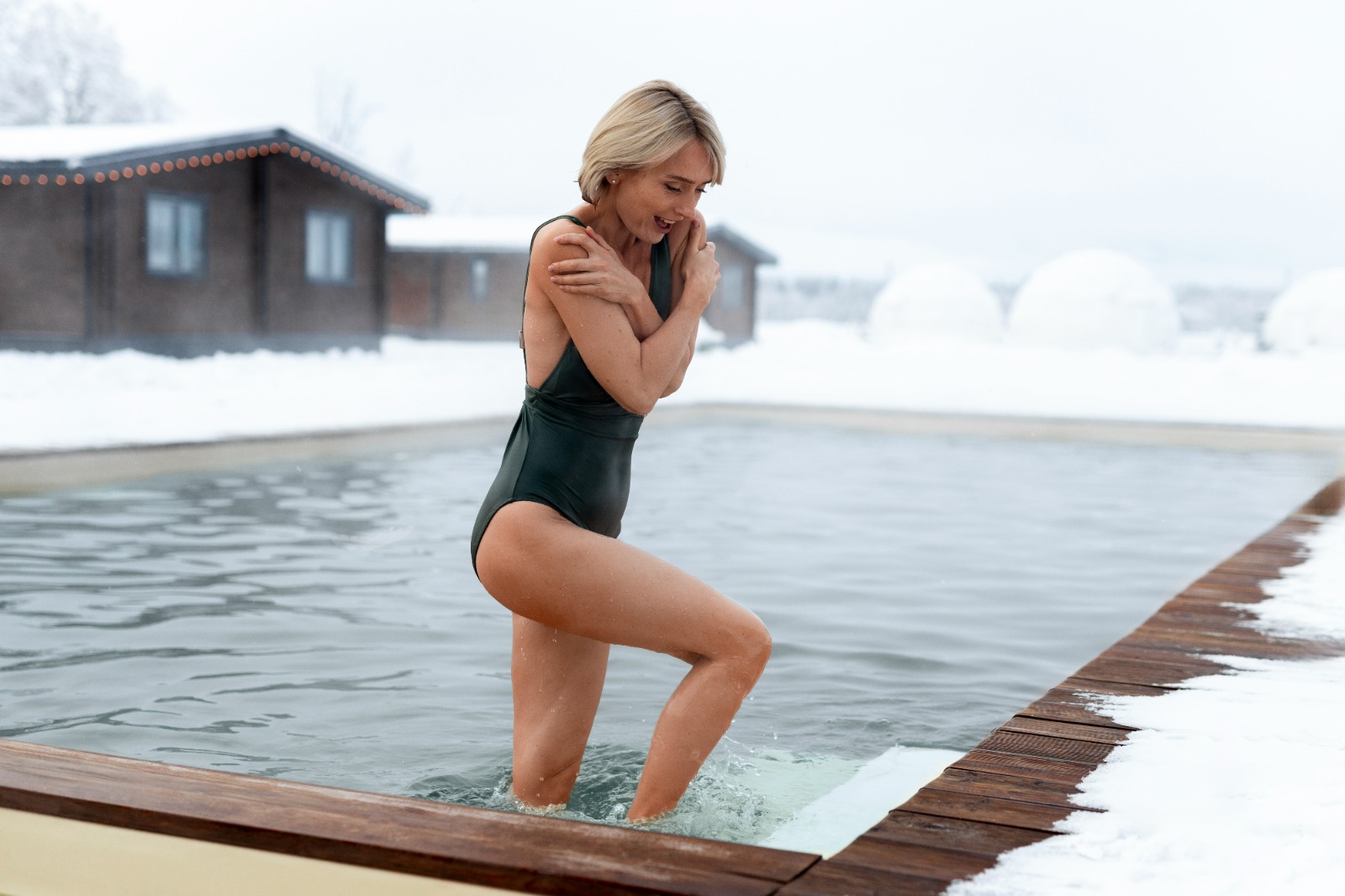
Ice is most effective immediately after an acute injury or when inflammation is present. Applying cold therapy can help reduce swelling, numb pain, and limit excessive inflammation in the affected area.
For dancers who experience a minor strain, twist, or sudden discomfort during practice, ice may provide relief during the first 24 to 48 hours. Ice packs should generally be applied for short periods, typically around 15 to 20 minutes at a time, with a protective layer between the ice and skin.
While ice can help manage inflammation, it may not always be the best solution for routine muscle soreness that develops days after intense training.
Read more: Cold Water Therapy: 8 Benefits You Should Know
The Benefits of Heat Therapy
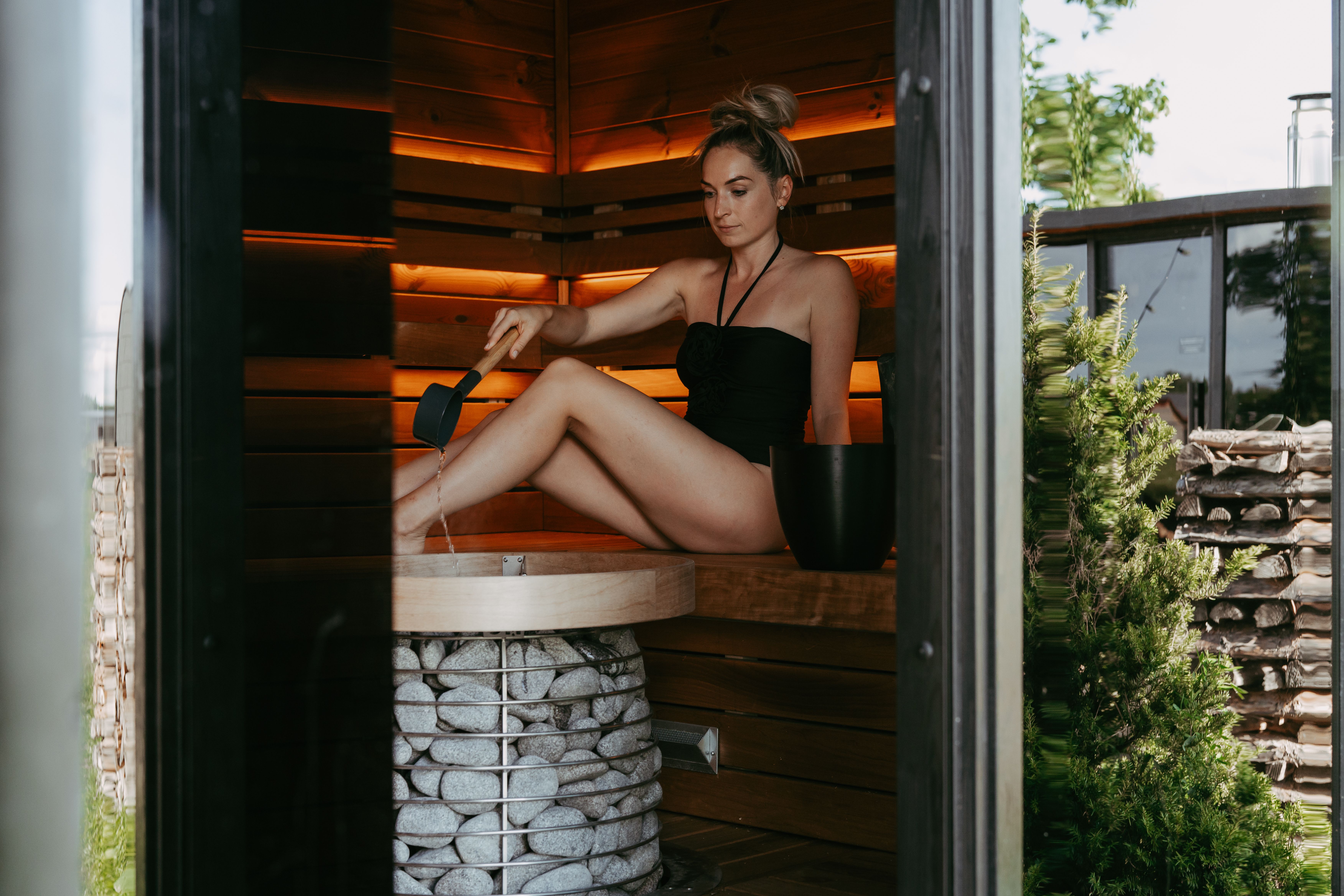
Heat is often beneficial for tight, stiff, or chronically sore muscles. Warmth increases blood flow to the area, helping muscles relax and improving flexibility.
Many dancers find that a warm shower, heating pad, or warm bath helps ease lingering soreness and stiffness. Heat can be particularly useful before light activity or stretching sessions because it prepares muscles for movement and may improve range of motion.
However, heat is generally not recommended immediately after an acute injury that involves swelling, as it may increase inflammation.
Where Stretching Fits In

Stretching can play an important role in recovery when performed properly. Gentle stretching may help reduce feelings of tightness and improve mobility after strenuous activity.
The key is moderation. Aggressive stretching of already sore muscles can sometimes worsen discomfort or cause additional irritation. Instead, dancers should focus on controlled, comfortable stretches that encourage circulation without forcing the body beyond its limits.
Combining stretching with light movement, such as walking or low-intensity dance exercises, can often be more effective than remaining completely inactive.
Combining Recovery Strategies
The most effective recovery plan often involves more than one approach. A dancer experiencing general soreness may benefit from gentle stretching, light activity, adequate hydration, quality sleep, and occasional heat therapy. For acute injuries or swelling, ice may be more appropriate during the early stages.
Listening to the body's signals is essential. Recovery methods should support healing, not create additional pain or discomfort.
Read more: How to Relieve Sore Muscles After Dancing
Final Thoughts
Ice, heat, and stretching each have a place in dance recovery, but their effectiveness depends on the type of muscle pain being treated. Ice can help with acute injuries and inflammation, heat can ease stiffness and promote relaxation, and gentle stretching can improve mobility and circulation. By understanding when to use each method, dancers can recover more effectively, reduce discomfort, and return to training feeling stronger and more prepared for their next performance.
Need a Great Workout Routine for Your Pro Cheer Audition Prep?
Pro cheerleaders train to be strong, flexible, toned, and performance-ready. That confident, high-energy presence on the arena floor doesn’t happen by accident — it’s built through smart, consistent training.
If you're serious about auditioning, your workouts need to prepare you not just to look the part… but to perform like a pro. Start with our POM FIT™ INTRO CLASS (Free for a LIMITED time)

This fun, beginner-friendly cardio class introduces you to foundational pom-style movements that help you:
- Build endurance
- Improve coordination
- Strengthen key muscle groups
- Boost confidence in your movement
It’s the perfect starting point if you’re new to pro-style training or getting back into shape for auditions.
Ready to level up?
Take your training further with POM FIT™: GAMEDAY1™ (USD 27.00) — a high-energy series of full-body cardio classes designed specifically for aspiring pro cheerleaders.

Inside GAMEDAY1™, you’ll get:
- A full-body cardio burn
- Body stretch class
- Kick stretch class
- Abdominal workout class
- And more performance-focused conditioning
This is the kind of structured training that helps you look sharp, feel strong, and perform with power on audition day. Start training like a pro today and build the foundation you need to shine at auditions!