
More Than Flexibility: What Actually Makes a Pro Cheerleader Look Strong and Controlled
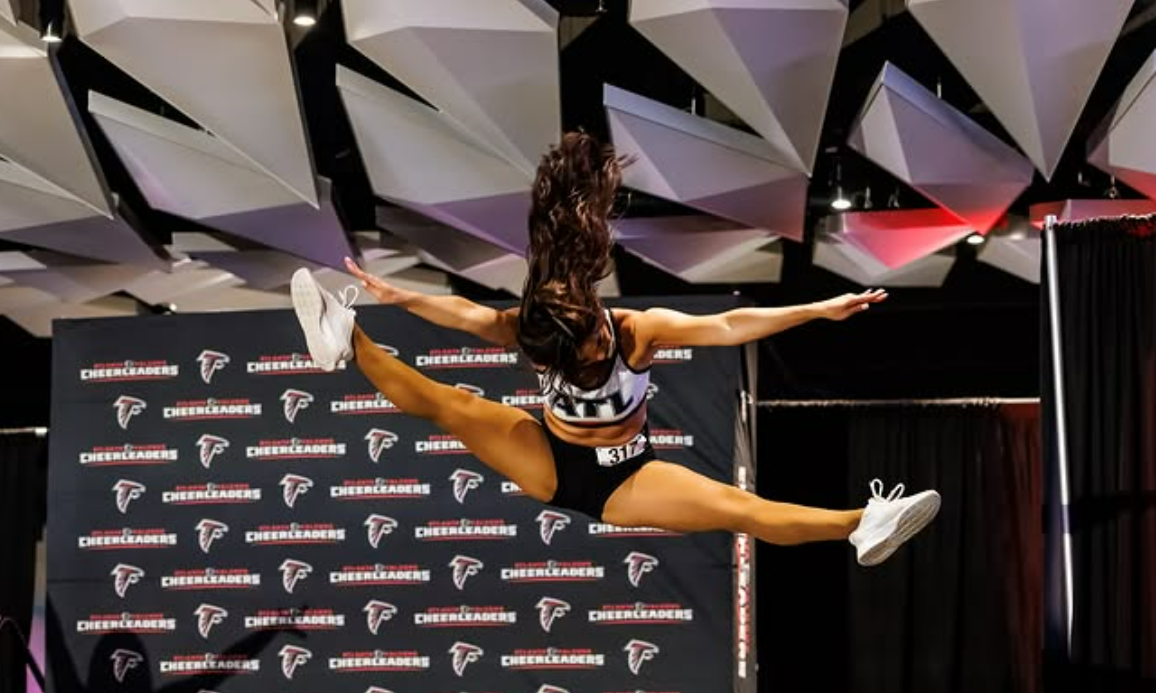
Image credit: Atlanta Falcons Cheerleaders
Flexibility may grab attention when watching a professional cheerleader perform, but impressive flexibility alone does not create a polished routine. What makes a pro cheerleader stand out is the ability to combine strength, balance, coordination, stability, and body awareness. A high kick or beautiful extension only looks effortless when the athlete has enough control to execute it safely and precisely.
Strength Creates Control
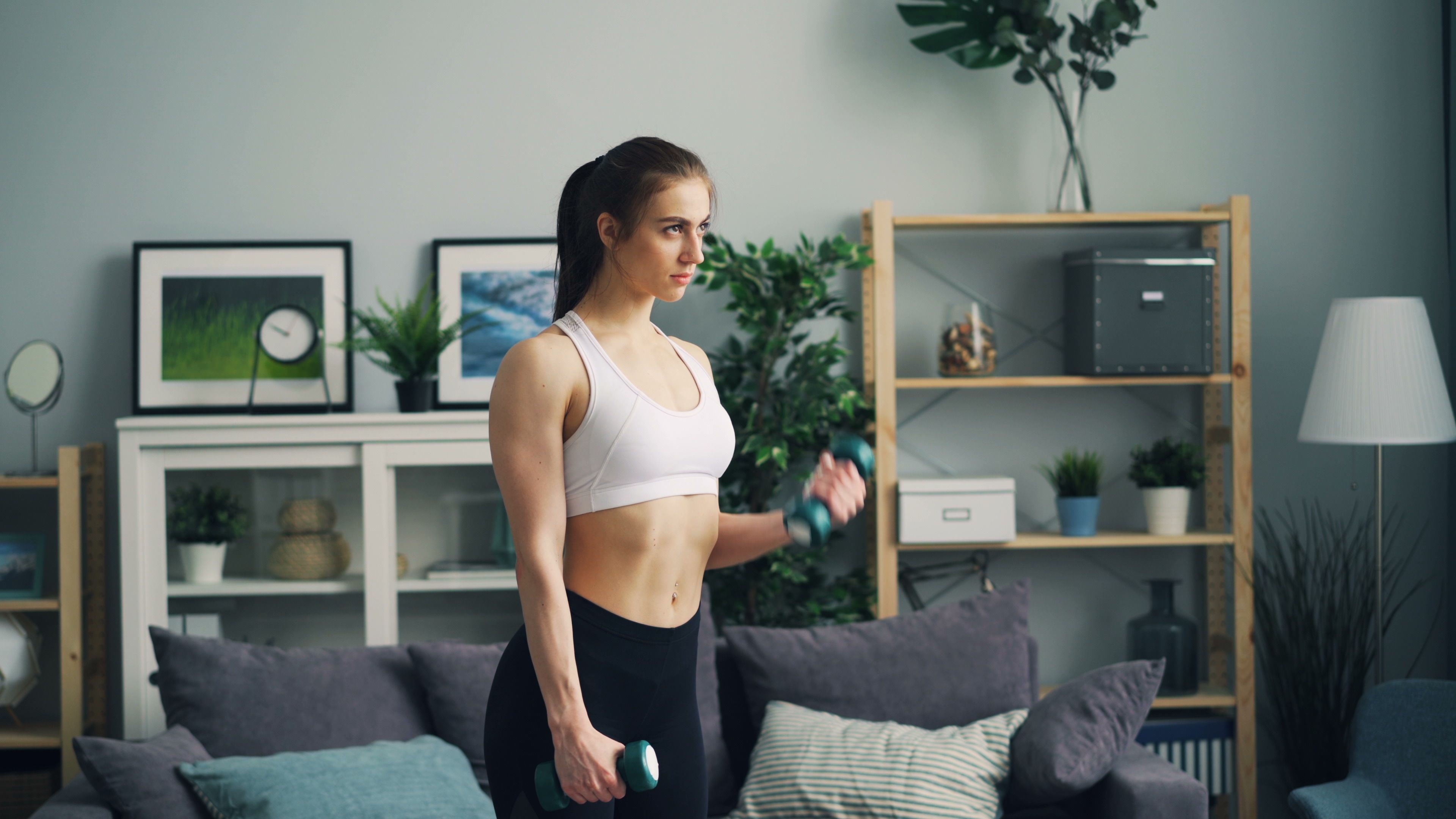
Strong muscles provide the foundation for nearly every movement in cheerleading. Jumps, kicks, turns, lifts, and sharp choreography require more than flexibility. They demand the ability to generate force and then control the body through each position.
Lower-body strength is especially important for powerful jumps and stable landings. The core also plays a major role by helping maintain posture and control during fast transitions. Upper-body strength supports arm movements, partner work, and other physically demanding elements.
Strength training does not have to mean becoming bulky. Exercises such as squats, lunges, calf raises, planks, push-ups, and controlled resistance exercises can help develop the functional strength needed for performance.
Discover: What Aspiring Pro Cheerleaders Should Know About Functional Strength Training
Stability Makes Movements Look Clean
A cheerleader can have excellent flexibility and still look unstable while performing. Stability allows the body to remain controlled while moving through challenging positions. Ankle, knee, hip, and core stability can make a noticeable difference in kicks, turns, jumps, and landings. Balance exercises, single-leg movements, and slow, controlled drills can help athletes develop better stability. Good stability also supports safer movement because the athlete is better prepared to control their body instead of relying on momentum.
Body Awareness Matters
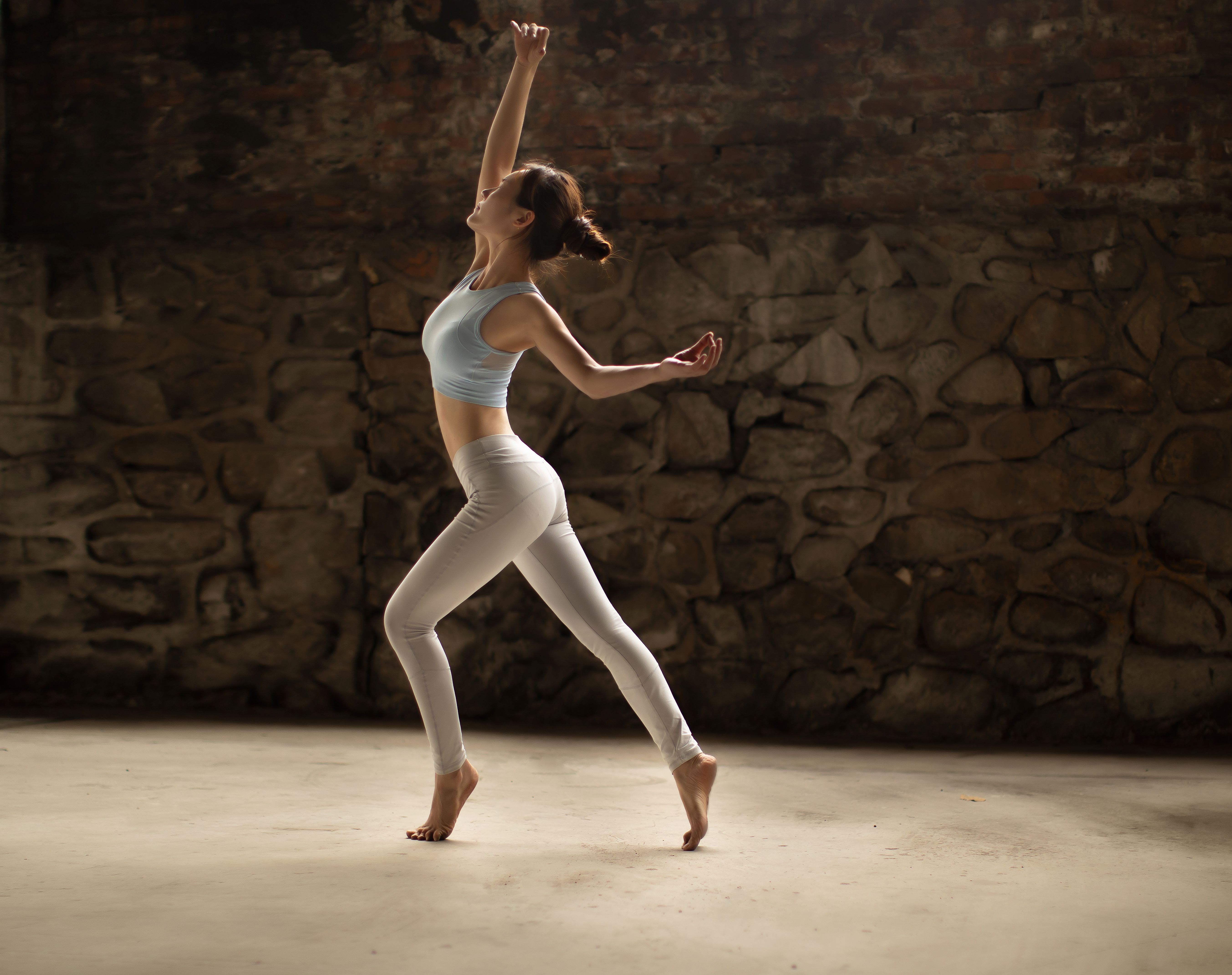
Professional-looking movement often comes down to body awareness. Cheerleaders need to understand where their arms, legs, hips, shoulders, and torso are positioned, even when moving quickly. This skill, sometimes called proprioception, improves through repetition and deliberate practice. Performing movements slowly before adding speed can help athletes recognize alignment issues and build more consistent technique. Recording practice sessions can also be useful. Watching a routine from the outside may reveal details that are difficult to notice while performing.
Technique Beats Simply Going Higher
A higher kick or bigger jump is not automatically better. Judges and audiences notice clean lines, precise timing, controlled finishes, and consistency.
For example, a moderately high kick with excellent posture and a controlled return can look more professional than an extremely high kick that causes the torso to lean or the supporting leg to become unstable. Cheerleaders should focus on maintaining proper alignment while gradually increasing range and height.
Mobility Is Different From Flexibility
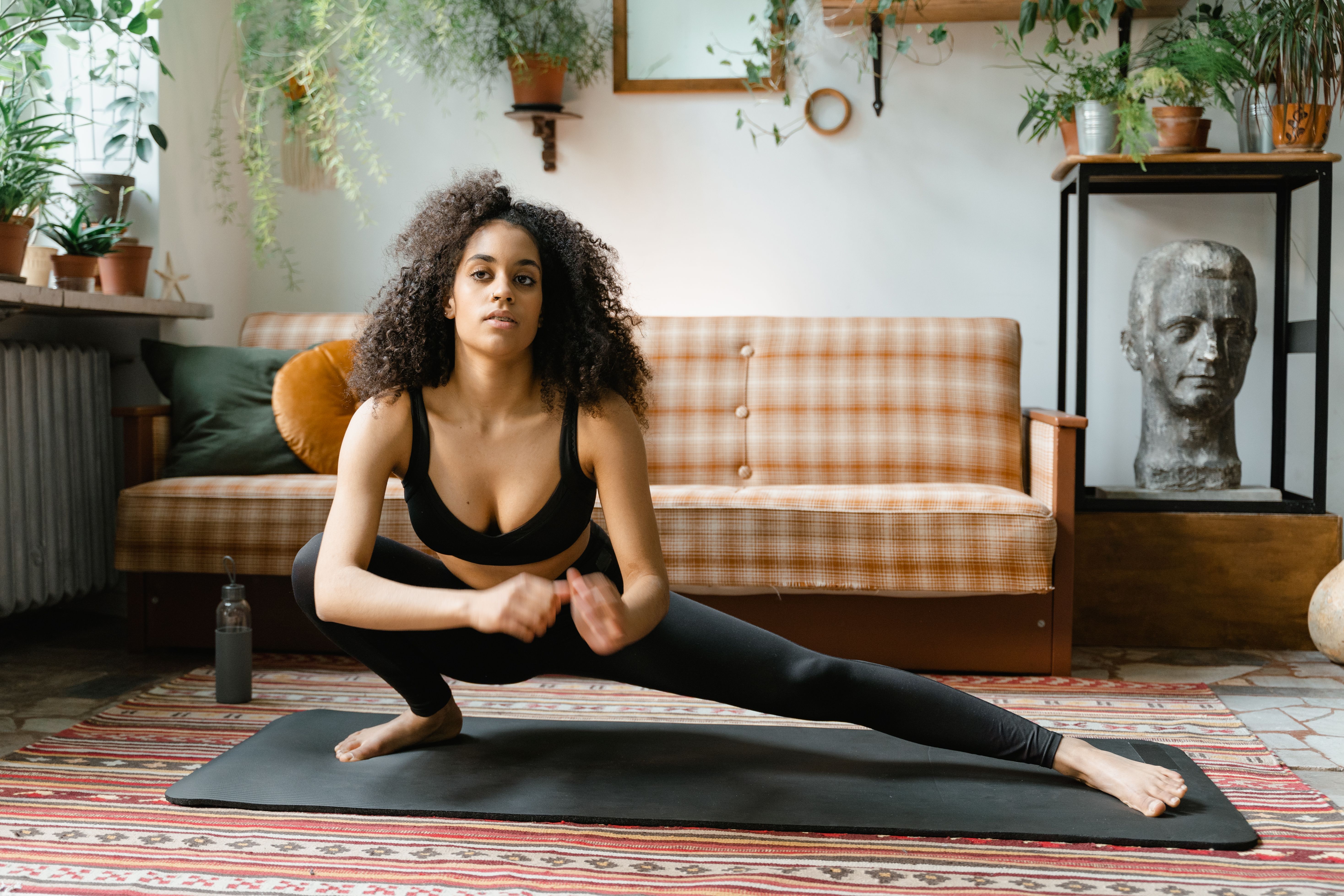
Flexibility refers largely to how much a joint or muscle can move, while mobility involves the ability to actively control that available range of motion. For a cheerleader, active mobility is particularly valuable. Being able to lift a leg high is one thing; being able to lift it, hold it, and return it smoothly without losing posture demonstrates control. Dynamic warmups, active stretching, and strength exercises through a comfortable range of motion can help develop useful mobility.
Read more: Mobility Matters: Exercises to Move More Freely in Dance
Consistency Creates a Professional Look
A professional cheerleader does not simply perform one impressive movement. They repeat skills consistently throughout rehearsals, games, auditions, and performances. That consistency comes from combining flexibility with strength, stability, technique, coordination, and conditioning. Training should therefore focus on quality movement rather than chasing extreme flexibility alone.
Final Thoughts
Flexibility is an important part of cheerleading, but it is only one piece of the performance puzzle. Strength provides power, stability provides balance, mobility provides usable range, and body awareness provides precision. When these qualities work together, movements look sharper, smoother, and more controlled. The goal is not simply to become more flexible. It is to become strong enough to control the flexibility you already have.
Do you picture yourself as a professional cheerleader?
If you dream of making a dance team but don’t know where to start, my book, Professional Cheerleading Audition Secrets: How to Become an Arena Cheerleader for NFL®, NBA®, and Other Pro Cheer Teams, walks you through the entire process — step by step.
I wrote this book because I truly want you to have access to the insider guidance I wish more aspiring cheerleaders had. Inside, you’ll learn proven strategies for:
- Staying fit and stage-ready
- Developing the confident, resilient mindset judges look for
- Presenting a polished, professional image
- Standing out at auditions
- And performing at your absolute best under pressure
Every tip comes from over 20 years of experience in the professional cheerleading industry — the real-world lessons, the mistakes to avoid, and the details that can make the difference between getting cut and making the team.
If you're serious about earning your spot and turning your dream into reality, this book is your competitive edge.
Click below to grab your copy and take the first step toward making your dream team.
