
Nutrition Myths That Could Be Holding Back Your Dance Performance

Dancers put a lot of focus on training, technique, and discipline—but nutrition often gets misunderstood along the way. There’s no shortage of advice online, and not all of it actually helps. In fact, some common nutrition beliefs can quietly limit your energy, recovery, and overall performance.
Let’s break down a few myths that might be doing more harm than good.
Myth 1: Eating Less Makes You Lighter and Better
It’s easy to assume that eating less will make you feel lighter and improve movement. In reality, under-eating can leave you feeling weak, fatigued, and mentally foggy. Dance demands strength, endurance, and focus. Without enough fuel, your body starts conserving energy instead of performing at its best.
You might notice slower recovery, more frequent injuries, and a drop in stamina. Being strong and energized matters far more than simply being lighter.
Myth 2: Carbs Are the Enemy

Carbohydrates have gotten a bad reputation, but for dancers, they’re essential. Carbs are your body’s primary source of quick energy, especially during intense rehearsals or long performance days.
Cutting carbs too much can lead to early fatigue and poor endurance. Instead of avoiding them, focus on quality sources like rice, whole grains, fruits, and vegetables. These provide steady energy that helps you get through demanding routines without burning out halfway through.
Discover: Pre-Workout Carbs: What to Eat for Maximum Energy for Pro Cheerleading
Myth 3: Protein Is Only for Muscle Builders
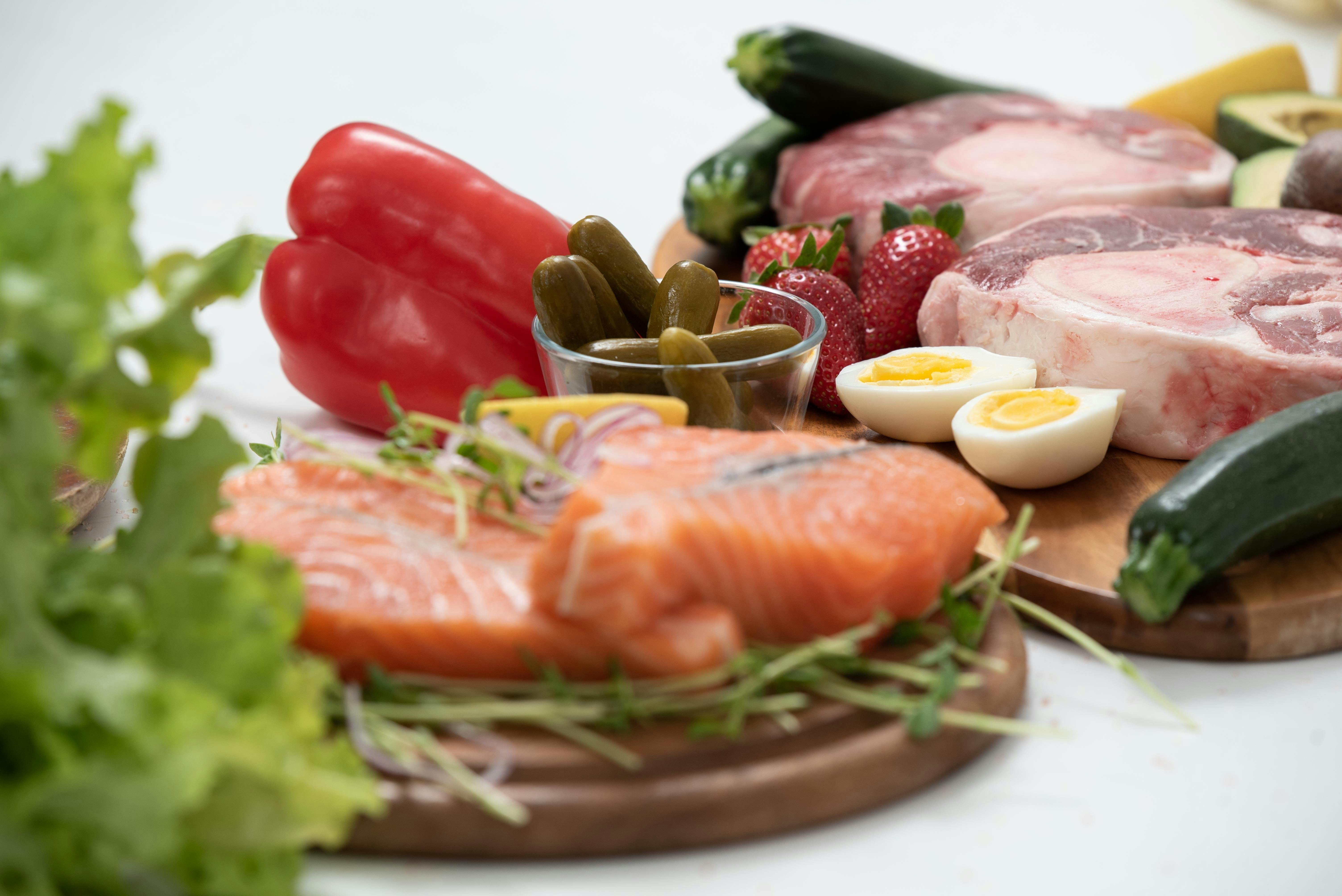
Some dancers think protein is just for bodybuilders, but it plays a key role in recovery. Every time you train, your muscles go through small amounts of stress. Protein helps repair and rebuild those muscles so you come back stronger.
Without enough protein, recovery slows down. You may feel sore longer or struggle to maintain strength. Including sources like eggs, fish, chicken, tofu, or beans in your meals can make a noticeable difference in how your body feels day to day.
Read more: Build and Recover: Top High-Protein Dinners for Active Lifestyles
Myth 4: Skipping Meals Helps You Stay in Shape
Skipping meals might seem like a shortcut to staying lean, but it often backfires. When you go too long without eating, your energy drops and your body starts craving quick fixes—usually sugary or high-fat foods later on.
For dancers, this pattern can lead to inconsistent energy levels. Instead, eating balanced meals regularly helps maintain steady energy, supports metabolism, and keeps your focus sharp during rehearsals.
Myth 5: You Don’t Need to Hydrate That Much

Hydration is often overlooked, especially if you’re not drenched in sweat. But even mild dehydration can affect coordination, balance, and concentration—three things every dancer relies on.
Drinking water consistently throughout the day, not just during practice, helps your body function smoothly. If you’re training hard or for long hours, staying hydrated becomes even more important.
Read more: The Importance of Hydration for Athletes
Final Thoughts
Good nutrition isn’t about restriction or following trends—it’s about supporting your body so it can do what you’re asking of it. Dance is physically demanding, and your body needs proper fuel to keep up.
If something feels off—low energy, slow recovery, or lack of progress—it might not be your training. Sometimes, it’s what’s happening in the kitchen. Small, smarter choices can make a big difference in how you move, feel, and perform.
Do you picture yourself as a professional cheerleader?
If you dream of making a dance team but don’t know where to start, my book, Professional Cheerleading Audition Secrets: How to Become an Arena Cheerleader for NFL®, NBA®, and Other Pro Cheer Teams, walks you through the entire process — step by step.
I wrote this book because I truly want you to have access to the insider guidance I wish more aspiring cheerleaders had. Inside, you’ll learn proven strategies for:
- Staying fit and stage-ready
- Developing the confident, resilient mindset judges look for
- Presenting a polished, professional image
- Standing out at auditions
- And performing at your absolute best under pressure
Every tip comes from over 20 years of experience in the professional cheerleading industry — the real-world lessons, the mistakes to avoid, and the details that can make the difference between getting cut and making the team.
If you're serious about earning your spot and turning your dream into reality, this book is your competitive edge.
Click below to grab your copy and take the first step toward making your dream team.
