
Spring Training for Dancers: How to Rebuild Strength After Winter
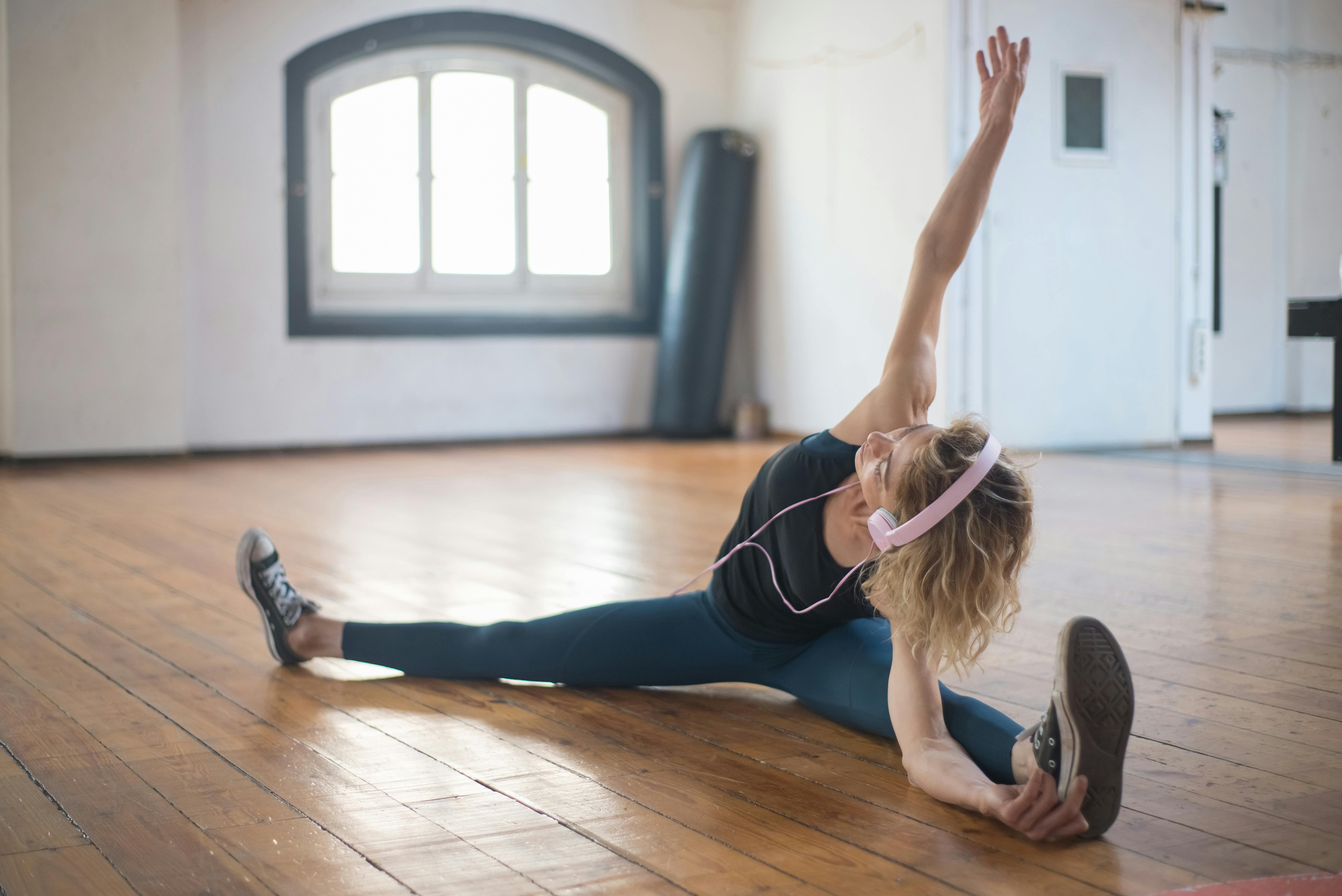
Winter has a way of slowing everything down. Schedules shift, performances pause, and colder weather can make even the most disciplined dancer feel less motivated. Even if you stayed active, chances are your training intensity dipped a little. That is completely normal. Spring is the perfect time to reset, rebuild, and come back stronger with intention.
Rebuilding strength after winter is not about jumping straight into high-intensity rehearsals. It is about laying a solid foundation again.
Start With an Honest Assessment
Before you increase training volume, take a step back and assess where your body is. Are your balances less stable? Do your jumps feel lower? Is your stamina not quite where it was?
Instead of judging yourself, use this information as data. Strength and endurance fade when they are not consistently challenged. The good news is they come back with structured, progressive work.
Begin with lighter sessions focused on control and alignment. Pay attention to technique basics. Reconnecting with clean pliés, stable cores, and controlled extensions builds the base you need for more advanced combinations later.
Rebuild Core and Stability First

After time off, deep stabilizing muscles are often the first to weaken. That can affect everything from turns to landings.
Prioritize core engagement exercises, glute activation, and ankle stability drills. Simple movements like dead bugs, side planks, slow relevés, and resistance band work can wake up underused muscles. These smaller muscles protect your joints and reduce injury risk when choreography intensifies. Think of this phase as rebuilding your support system. Without it, bigger movements feel shaky and strained.
Read more: What Are Deep Core Exercises? And Reasons to Do Them
Gradually Increase Intensity
It is tempting to dive back into full-out runs and long rehearsals. That approach often leads to soreness, burnout, or injury.
Instead, follow a gradual progression. Increase either duration or intensity each week, not both at once. For example, add 10 to 15 minutes of conditioning to your sessions before increasing jump repetitions. Or focus on power in shorter combinations before extending full routines.
Your cardiovascular endurance will need rebuilding too. Add low-impact cardio such as brisk walking, cycling, or light interval training to improve stamina without overloading your joints.
Focus on Mobility and Flexibility
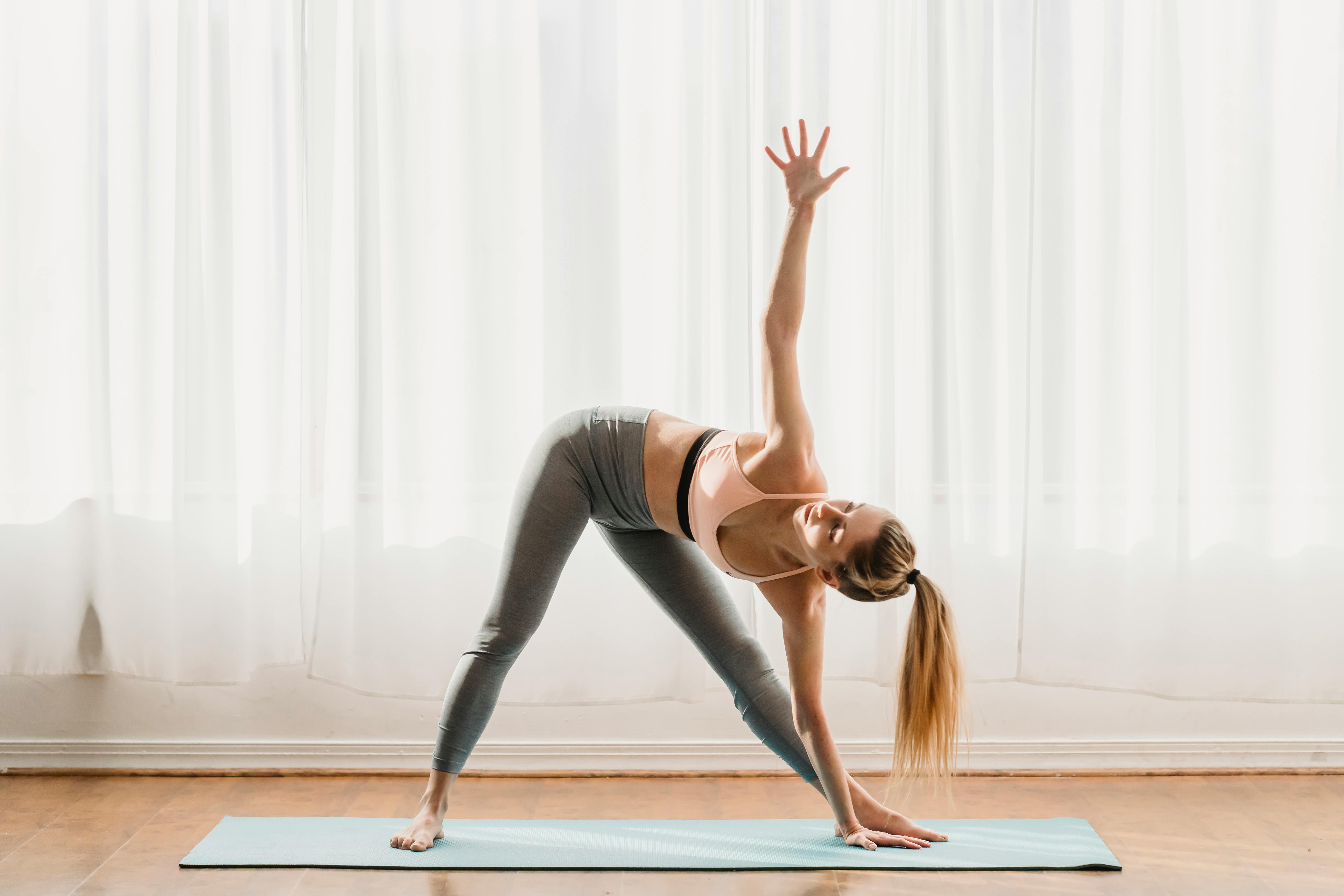
Cold weather can leave muscles tight and joints feeling stiff. Spring training should include intentional mobility work.
Dynamic warmups become especially important. Leg swings, hip circles, spinal rolls, and controlled lunges prepare your body for deeper ranges of motion. After training, include gentle stretching to restore flexibility gradually.
Avoid forcing splits or extensions too soon. Flexibility returns best when paired with strength. Controlled strength through full range of motion creates lasting gains.
Prioritize Recovery

Rebuilding strength requires recovery just as much as effort. Sleep, hydration, and balanced nutrition directly impact how well your body adapts to increased training loads.
Expect some soreness in the early weeks. That is part of the rebuilding process. Sharp pain, however, is not. Listen closely to your body and adjust when needed. Rest days are not setbacks. They are when your muscles repair and grow stronger.
Read more: What Every Pro Cheerleader Should Know About Nutrition for Muscle Recovery
Final Thoughts
Spring training for dancers is about patience and smart progression. Instead of chasing where you were months ago, focus on building steadily from where you are now.
Strength, stamina, and confidence return with consistency. By rebuilding your foundation, supporting your stability, and increasing intensity gradually, you set yourself up for a strong and sustainable season ahead. Treat this season as a reset, not a race, and you will step into spring feeling powerful, prepared, and ready to move fully again.
Need a Great Workout Routine for Your Pro Cheer Audition Prep?
Pro cheerleaders stay fit, flexible, and strong so they can give out their best performance in the arena. However, achieving that wow-worthy, toned physique doesn’t happen overnight. You need to arm yourself with the right daily workouts.
Thinking of becoming a pro cheerleader?
We are offering you our fun, FREE (for a LIMITED time) POM FIT™ INTRO CLASS that teaches you beginner-friendly cardio moves.
To take your cheerleading fitness to the next level, we also have POM FIT™: GAMEDAY1™ - a series of challenging full-body cardio classes that include a body stretch class, kick stretch class, abdominal workout class, and more.
Join a POM FIT™ class below:
POM FIT™ INTRO CLASS (Free for a LIMITED time)

POM FIT™: GAMEDAY1™ (USD 27.00)
