
The Most Overused Muscles in Dance and How to Protect Them
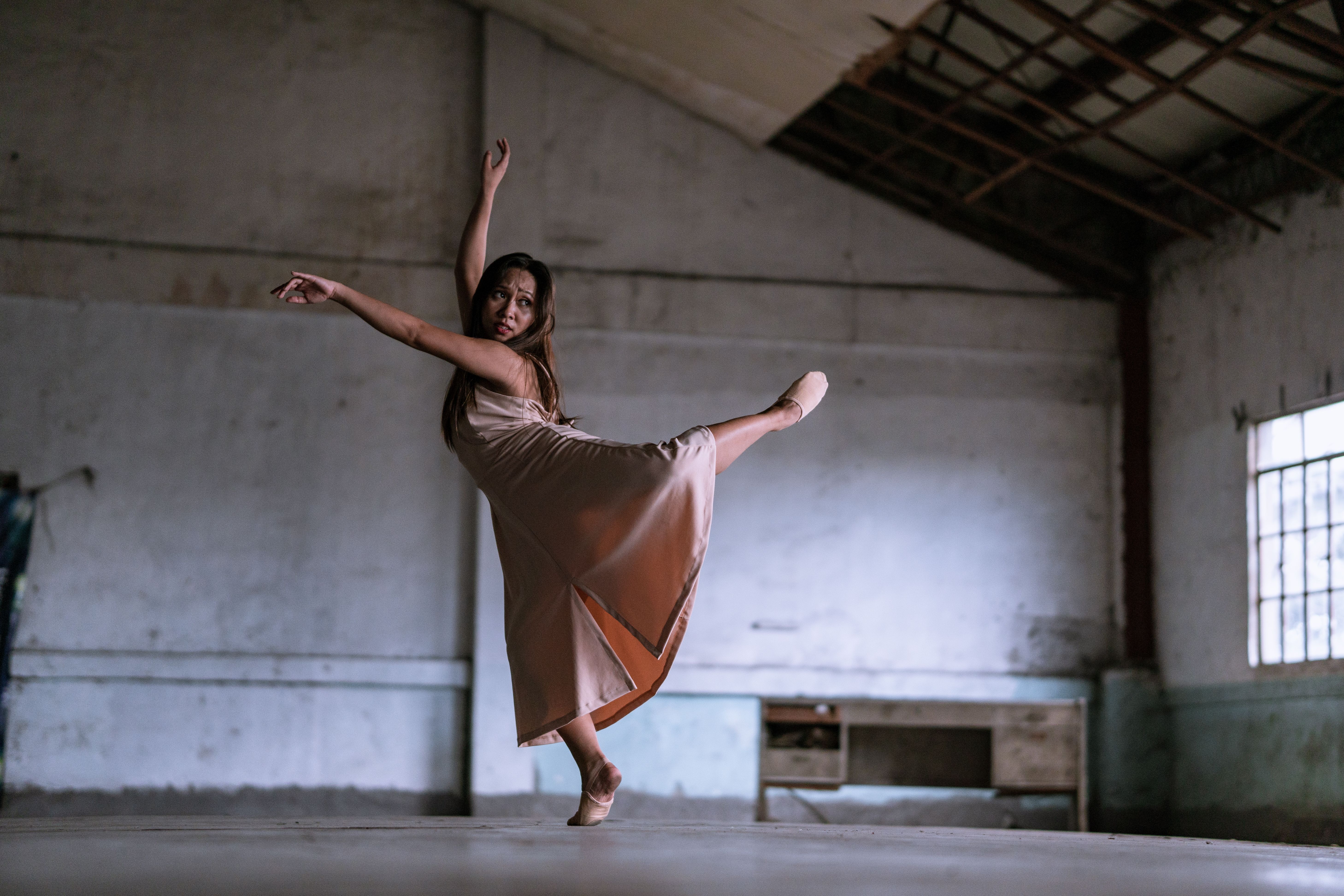
Dance is a physically demanding activity that requires strength, flexibility, endurance, and coordination. Whether performing ballet, jazz, hip-hop, contemporary, or cheer dance routines, dancers rely on certain muscle groups repeatedly throughout training and performance. While this repetition helps build skill and strength, it can also lead to overuse injuries if proper care is not taken. Understanding which muscles are most commonly overworked can help dancers protect their bodies and maintain long-term performance.
Calf Muscles
The calf muscles are among the hardest-working muscles in dance. They play a major role in jumping, landing, turning, and rising onto the balls of the feet. Ballet dancers, in particular, place significant stress on the calves through repetitive relevés and pointe work.
Overused calf muscles can become tight, fatigued, or prone to strains. To protect them, dancers should stretch regularly, strengthen surrounding muscles, and allow adequate recovery time between intense training sessions. Foam rolling and gentle massage can also help reduce tension.
Hip Flexors
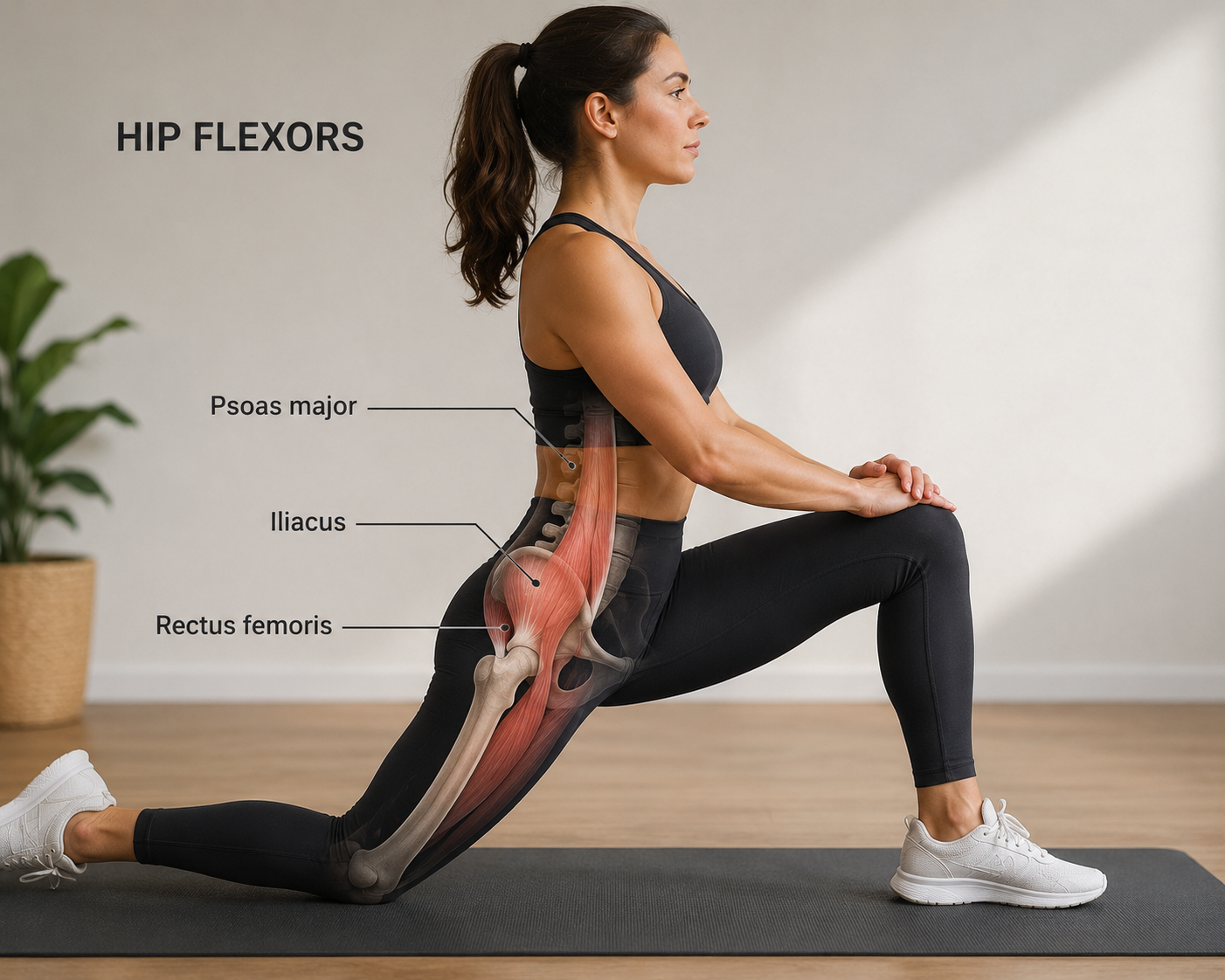
Hip flexors are heavily engaged during kicks, leg lifts, extensions, and many dynamic dance movements. Constant use without proper stretching can cause tightness and discomfort in the hips and lower back.
Dancers can protect their hip flexors by incorporating mobility exercises and stretches into their warm-up and cool-down routines. Strengthening the glutes and core can also help reduce excessive strain on the front of the hips.
Quadriceps
The quadriceps, located at the front of the thighs, work continuously to support jumps, pliés, landings, and stabilizing movements. Because dancers often spend extended periods with bent knees, these muscles can become overworked.
Balanced strength training is important for preventing quad dominance. Strengthening the hamstrings and glutes helps distribute workload more evenly throughout the legs. Regular stretching can also improve flexibility and reduce muscle tightness.
Lower Back Muscles
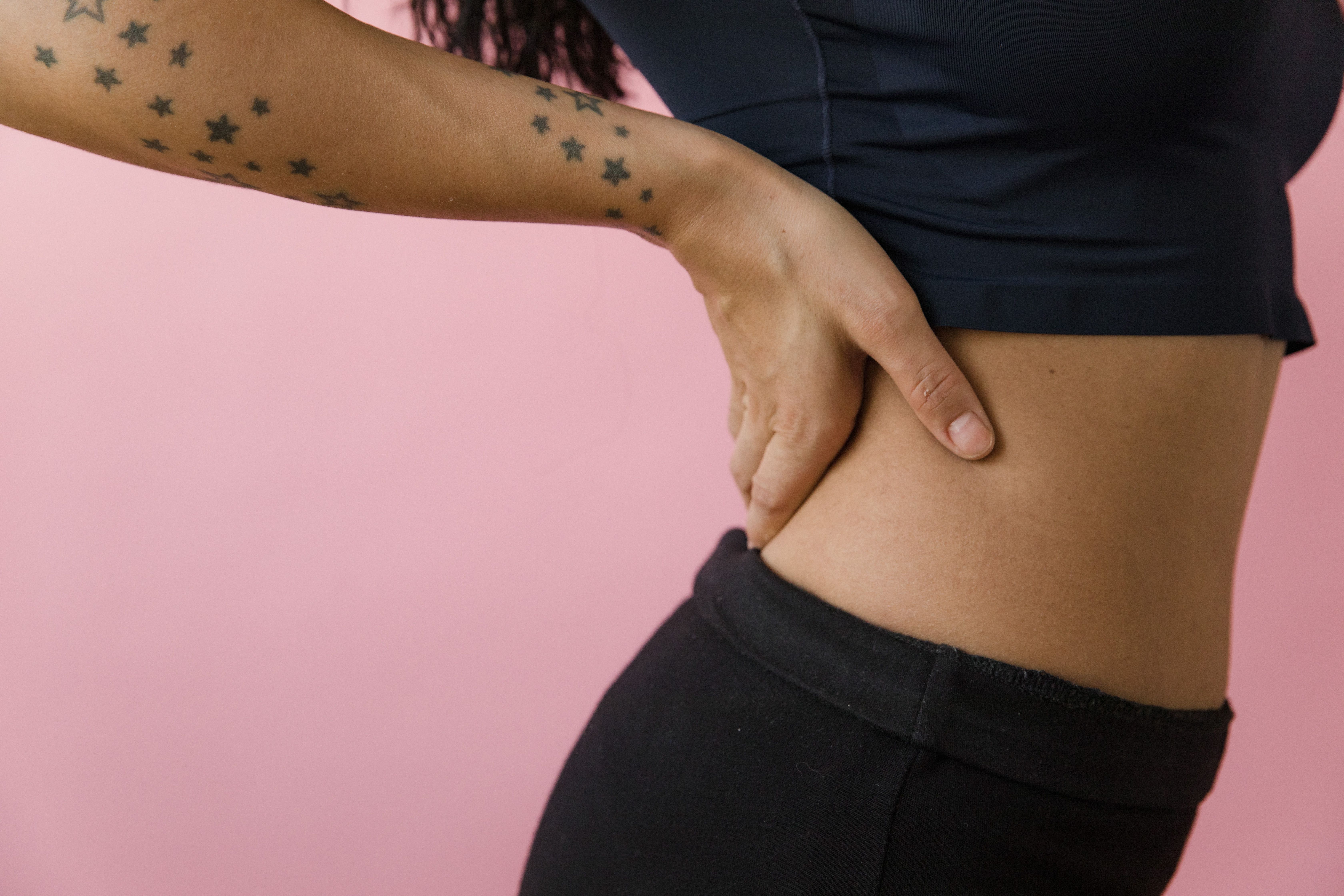
Many dance styles require back extensions, arches, lifts, and strong posture. These movements place repeated stress on the muscles of the lower back. When dancers lack adequate core strength, the lower back often compensates, increasing the risk of fatigue and discomfort.
Protecting the lower back starts with developing a strong core. Exercises that strengthen the abdominal muscles and improve overall stability help support proper alignment and reduce unnecessary strain on the spine.
Ankles and Foot Muscles
Although often overlooked, the muscles surrounding the ankles and feet endure tremendous stress. Quick directional changes, jumps, and balance-intensive movements challenge these smaller muscle groups throughout every dance session.
Ankle-strengthening exercises, balance training, and wearing appropriate footwear when not dancing can help maintain stability and reduce injury risk. Dancers should also avoid pushing through pain, as minor discomfort can sometimes develop into more significant issues.
Conclusion
Dance places unique demands on the body, making certain muscle groups especially vulnerable to overuse. Calves, hip flexors, quadriceps, lower back muscles, and the muscles of the feet and ankles all work tirelessly to support movement and performance. By prioritizing proper warm-ups, strength training, stretching, recovery, and body awareness, dancers can protect these hardworking muscles and enjoy healthier, more sustainable careers both in the studio and on stage.
Need a Great Workout Routine for Your Pro Cheer Audition Prep?
Pro cheerleaders train to be strong, flexible, toned, and performance-ready. That confident, high-energy presence on the arena floor doesn’t happen by accident — it’s built through smart, consistent training.
If you're serious about auditioning, your workouts need to prepare you not just to look the part… but to perform like a pro. Start with our POM FIT™ INTRO CLASS (Free for a LIMITED time)

This fun, beginner-friendly cardio class introduces you to foundational pom-style movements that help you:
- Build endurance
- Improve coordination
- Strengthen key muscle groups
- Boost confidence in your movement
It’s the perfect starting point if you’re new to pro-style training or getting back into shape for auditions.
Ready to level up?
Take your training further with POM FIT™: GAMEDAY1™ (USD 27.00) — a high-energy series of full-body cardio classes designed specifically for aspiring pro cheerleaders.

Inside GAMEDAY1™, you’ll get:
- A full-body cardio burn
- Body stretch class
- Kick stretch class
- Abdominal workout class
- And more performance-focused conditioning
This is the kind of structured training that helps you look sharp, feel strong, and perform with power on audition day. Start training like a pro today and build the foundation you need to shine at auditions!