
Train Smarter, Not Harder: How to Use Heart Rate Zones

A lot of people think getting fitter means pushing harder every single workout. More sweat, more intensity, more exhaustion. But if you’ve ever felt stuck, burned out, or constantly sore, you already know that approach doesn’t always work. The real key to improving endurance and performance is learning how to train smarter. That’s where heart rate zones come in.
Heart rate zone training helps you understand how hard your body is actually working. Instead of guessing your effort, you use your heart rate as a guide. This makes your workouts more efficient, more targeted, and often more sustainable.
What Are Heart Rate Zones?
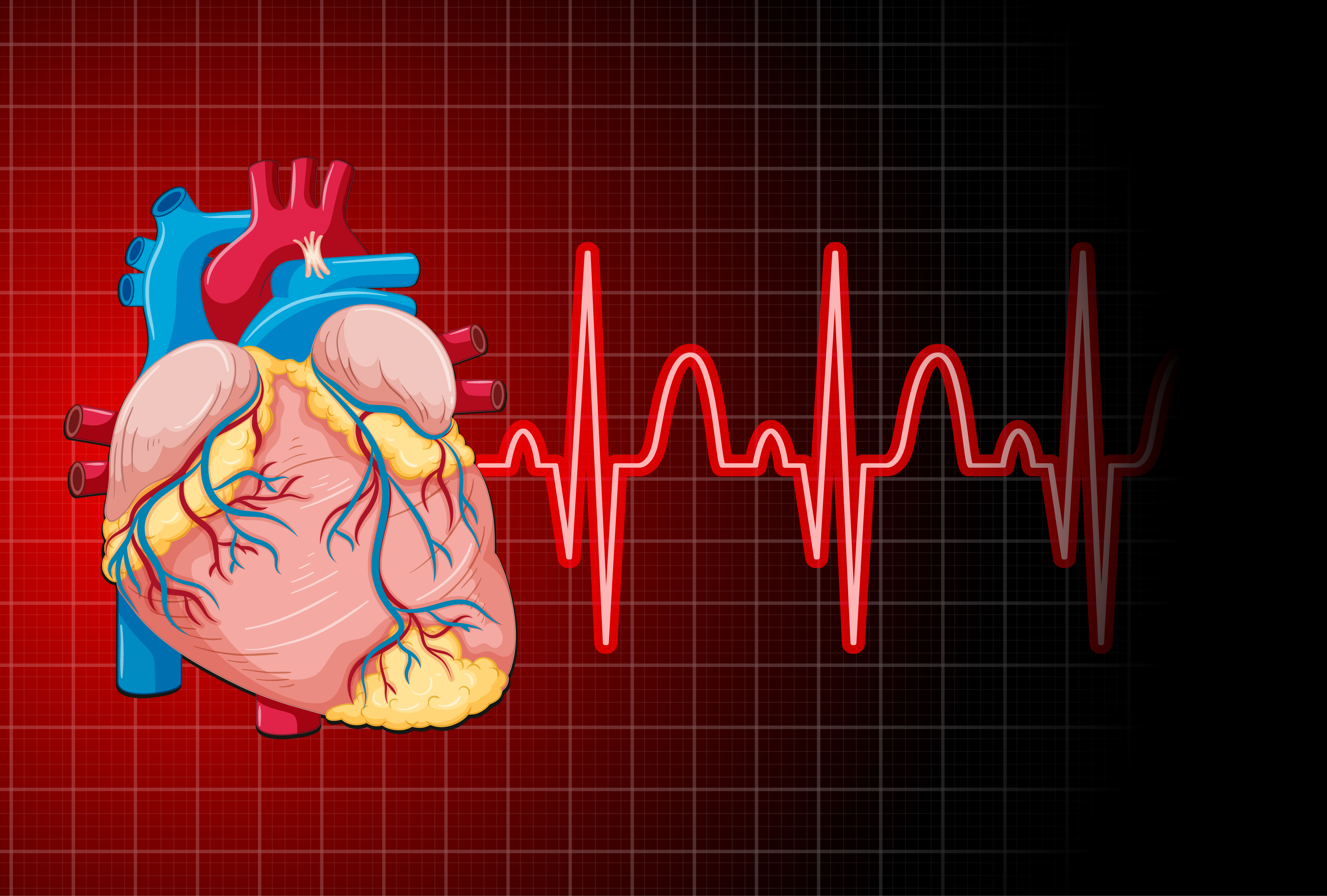
Heart rate zones are ranges based on a percentage of your maximum heart rate. Your estimated max heart rate is often calculated by subtracting your age from 220. While this isn’t perfect, it’s a useful starting point.
From there, your effort is divided into five general zones:
Zone 1 (50–60%) – Very Light Effort
This feels easy. You can hold a full conversation. It’s great for warm-ups, cool-downs, and recovery days.
Zone 2 (60–70%) – Light, Aerobic Base
You’re breathing slightly harder but can still talk comfortably. This zone builds endurance and improves your heart’s efficiency.
Zone 3 (70–80%) – Moderate Effort
Conversation becomes shorter. You’re working, but you’re not sprinting. This improves aerobic capacity.
Zone 4 (80–90%) – Hard Effort
Talking is difficult. This is where speed and performance improve, but it’s demanding.
Zone 5 (90–100%) – Maximum Effort
All-out intensity. You can only sustain this briefly.
Each zone serves a purpose. The mistake many people make is training in the moderate-to-hard range all the time.
Why Zone 2 Matters More Than You Think
It might feel counterintuitive, but one of the most powerful ways to improve endurance is spending more time in Zone 2. This lower-intensity training strengthens your heart, improves oxygen delivery, and enhances your body’s ability to use fat for fuel.
Elite endurance athletes spend a large portion of their training time in lower zones. That foundation allows them to perform better during high-intensity efforts.
If every workout leaves you gasping, you’re likely not giving your body the balance it needs to grow stronger.
Using Heart Rate Zones in Real Life
You don’t need fancy lab testing to start. A basic heart rate monitor or smartwatch can track your zones during workouts.
Here’s a simple weekly structure:
- 2–3 sessions in Zone 2 for endurance building
- 1–2 higher-intensity sessions in Zone 3 or 4
- Active recovery or light movement in Zone 1
This mix helps you improve without overtraining. It also reduces injury risk and supports long-term consistency.
Listen to the Data and Your Body
Heart rate training gives you structure, but it’s not meant to replace body awareness. Stress, lack of sleep, and dehydration can elevate your heart rate. If you notice your usual pace feels harder than normal, that’s useful feedback.
Training smarter means adjusting when needed. Some days your body needs intensity. Other days it needs steady work or recovery.
Conclusion
Fitness is not about proving how hard you can push. It’s about building strength and endurance in a way you can sustain.
Heart rate zones give you clarity. They remove the guesswork and help you train with intention. When you balance low-intensity endurance work with targeted high-intensity sessions, you’ll likely see better results and feel better doing it.
Work with your heart, not against it. That’s how real progress happens.
Discover more articles below:
- A Beginner’s Guide to Building Pro Cheer Stamina (No Gym Needed)
- The Secrets Behind Pro Cheerleaders’ Fitness Results
- How to Prevent Overuse Injuries in Pro Cheerleading Dance
- From Gym to Stage: Workouts That Improve Dance Performance
Do You Picture Yourself As A Professional Cheerleader? Get Expert Advice From Someone Who's Been There.
If you dream of joining a dance team audition but have no idea how to get started, my book entitled Professional Cheerleading Audition Secrets: How To Become an Arena Cheerleader for NFL®, NBA®, and Other Pro Cheer Teams will guide you through every step of the way.
I wrote this book because I WOULD LOVE FOR YOU TO DISCOVER the best tips and advice on staying fit and beautiful, adopting the right mindset, maintaining your image, and more... so you can MAKE YOUR DREAM TEAM!
My tips are based on my 20+ years of experience in the professional cheerleading industry.
Grab a copy of my book by clicking the text or image below:
