
What Does "Full Out" Mean in Dance?

If you have ever attended a dance class, audition, or rehearsal, you've probably heard the instructor say, "Let's do it full out!" While the phrase may sound simple, it carries a lot of meaning in the dance world. Going "full out" isn't just about moving faster or with more energy. It means performing a routine exactly as you would on stage, giving your maximum effort while maintaining proper technique, expression, and confidence.
Whether you're a beginner or an experienced dancer, understanding what "full out" means can help you improve your performance and prepare for live audiences.
Performing at Full Performance Level
When dancers perform full out, they execute every movement with complete commitment. This includes:
- Performing jumps at full height.
- Completing turns at full speed.
- Extending every arm and leg completely.
- Using facial expressions that match the choreography.
- Dancing with performance-level energy from beginning to end.
Instead of marking choreography or conserving energy, dancers treat the rehearsal as if it were the final performance.
More Than Just Physical Energy
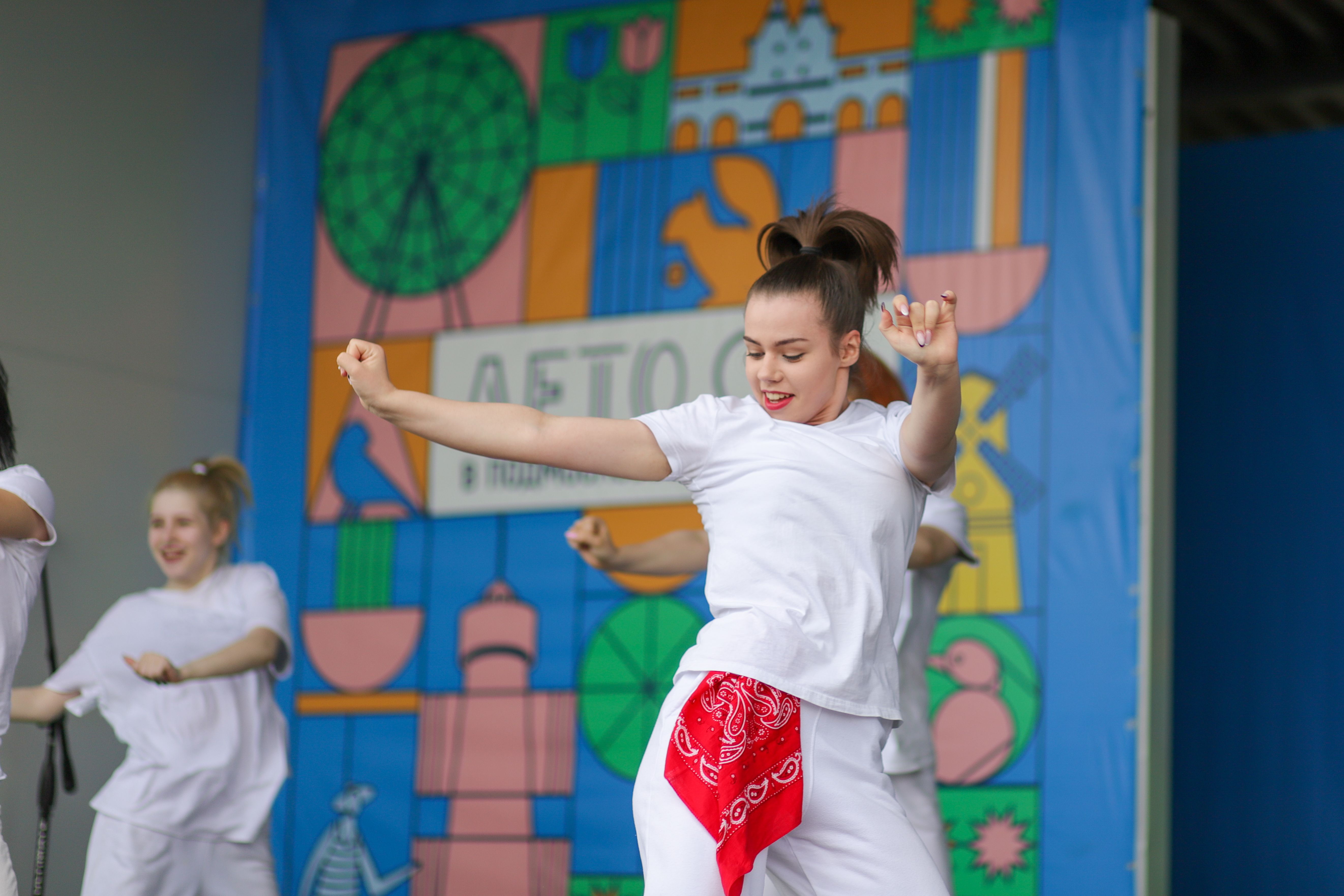
Many people assume dancing full out simply means using more power. In reality, it also involves mental focus and emotional commitment. A full-out performance requires dancers to:
- Stay on the music.
- Remember every count and formation.
- Connect with the audience.
- Express the emotion or story behind the choreography.
- Recover quickly from small mistakes without breaking character.
The goal is to create a polished performance rather than simply completing the steps.
Why Dancers Don't Always Go Full Out
Although dancing full out is important, professionals don't rehearse every run this way. Constantly performing at maximum intensity can lead to fatigue, overuse injuries, and reduced performance quality. Instead, rehearsals often include different levels of execution:
- Marking: Walking through choreography with minimal movement.
- Half-out: Adding more movement while still conserving energy.
- Full out: Performing exactly as if on stage.
This progression allows dancers to refine technique, clean formations, and protect their bodies while still preparing for peak performances.
When Dancers Typically Go Full Out
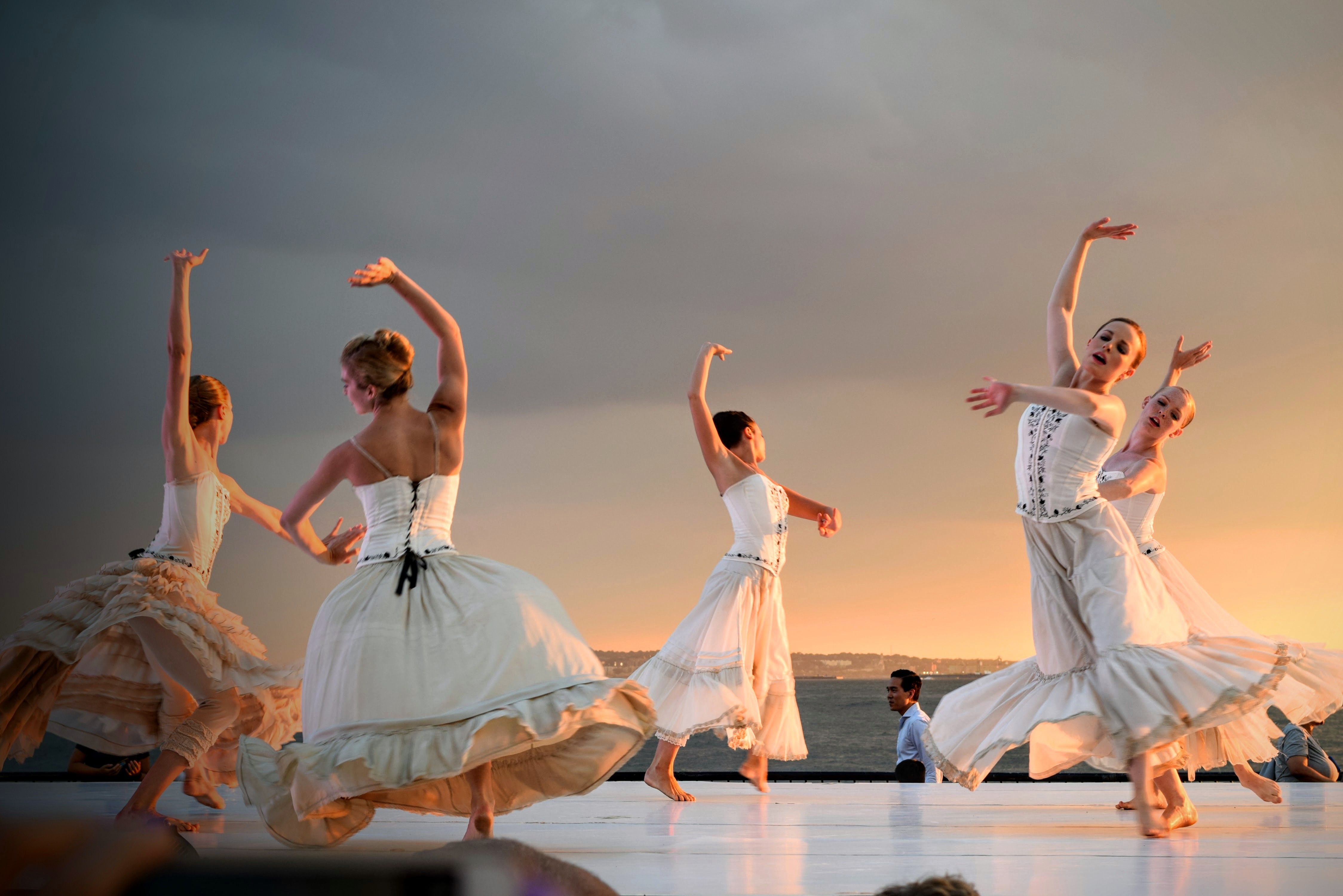
Full-out rehearsals usually happen during key moments of the preparation process, such as:
- Dress rehearsals.
- Final competition practices.
- Audition rounds.
- Performance run-throughs.
- Video recordings for evaluation.
These sessions help dancers build stamina, identify weak spots, and become comfortable performing under realistic conditions.
Benefits of Dancing Full Out
Practicing at full performance intensity offers several important advantages.
First, it builds cardiovascular endurance. Performing an entire routine at full energy prepares dancers for demanding performances without losing technique.
Second, it improves muscle memory. Repeating choreography exactly as it will be performed helps movements become more automatic under pressure.
Third, dancers gain confidence. The more often they perform at full intensity, the less intimidating competitions, auditions, and live performances become.
Finally, instructors can better evaluate spacing, timing, synchronization, and overall performance quality when everyone is dancing full out.
Balancing Intensity with Recovery
Because full-out rehearsals place significant stress on the body, recovery is just as important as practice.
Dancers should stay hydrated, warm up thoroughly, cool down afterward, stretch regularly, and prioritize adequate sleep. Listening to the body can help prevent injuries and ensure consistent progress throughout a rehearsal schedule.
Professional dancers also alternate intense rehearsal days with lighter technical sessions to maintain peak performance without overtraining.
Final Thoughts
In dance, "full out" means giving a complete performance with maximum energy, precision, emotion, and stage presence. It represents the closest rehearsal experience to an actual performance, allowing dancers to develop endurance, confidence, and consistency. While every practice doesn't need to be full out, knowing when to perform at this level is an essential part of becoming a stronger, more polished dancer. By combining smart training with intentional recovery, dancers can perform at their best when it matters most.
Do you picture yourself as a professional cheerleader?
If you dream of making a dance team but don’t know where to start, my book, Professional Cheerleading Audition Secrets: How to Become an Arena Cheerleader for NFL®, NBA®, and Other Pro Cheer Teams, walks you through the entire process — step by step.
I wrote this book because I truly want you to have access to the insider guidance I wish more aspiring cheerleaders had. Inside, you’ll learn proven strategies for:
- Staying fit and stage-ready
- Developing the confident, resilient mindset judges look for
- Presenting a polished, professional image
- Standing out at auditions
- And performing at your absolute best under pressure
Every tip comes from over 20 years of experience in the professional cheerleading industry — the real-world lessons, the mistakes to avoid, and the details that can make the difference between getting cut and making the team.
If you're serious about earning your spot and turning your dream into reality, this book is your competitive edge.
Click below to grab your copy and take the first step toward making your dream team.
