
Why Strong Glutes Matter When You’re Dancing
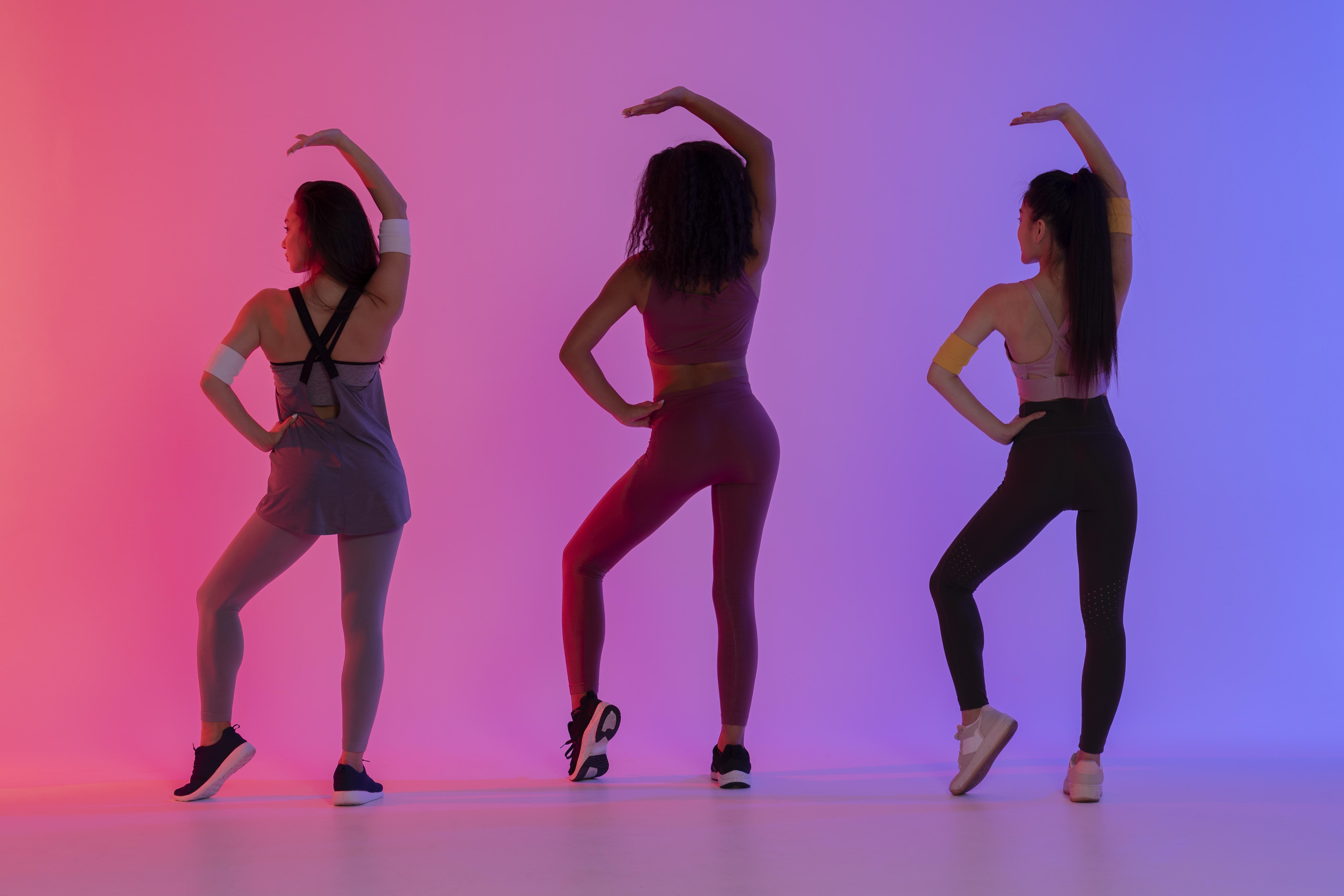
When people think about dance training, they often focus on flexibility, technique, lines, and choreography. However, strength plays an equally important role in helping dancers move with control and confidence. Among the muscles that deserve plenty of attention are the glutes. Strong glutes can support everything from jumps and turns to balance, posture, and powerful movement.
They Support Powerful Movement
Dancing often requires explosive movements. Jumps, leaps, kicks, and quick changes of direction all require the lower body to generate force. The glute muscles are major contributors to hip extension, which is important for producing power.
A stronger posterior chain can help dancers perform powerful movements with greater control. Exercises such as squats, lunges, step-ups, and glute bridges can help develop this strength.
Read more: Workouts That Keep Pro Cheerleaders Lean and Powerful
They Help With Balance and Stability
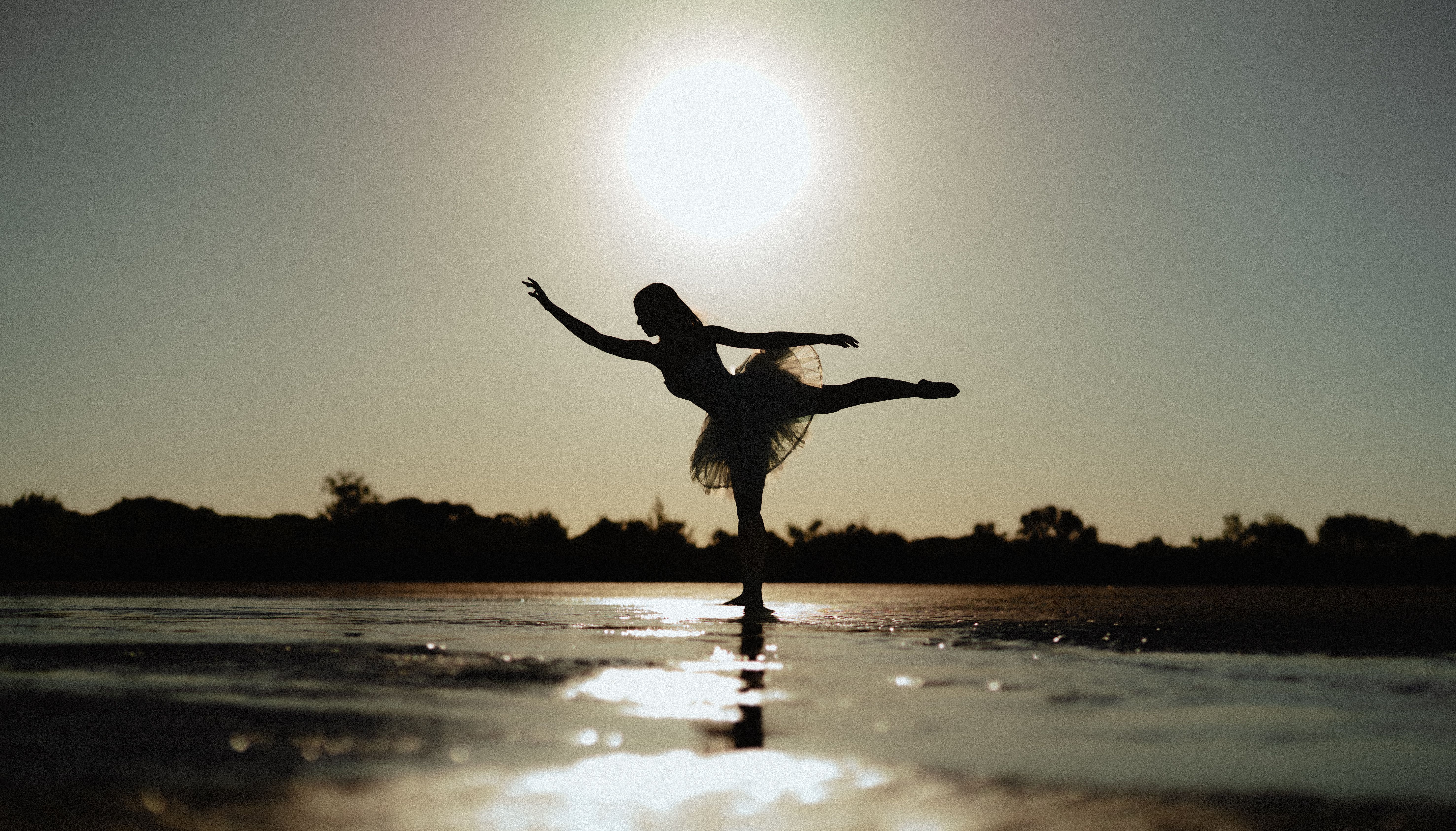
Balance is essential for dancers, particularly when performing on one leg. Strong glutes help stabilize the hips and pelvis, giving dancers a more secure foundation when transitioning between movements.
Better hip stability can be especially useful during turns, arabesques, extensions, and other movements that require the dancer to maintain control while shifting weight.
They Support Proper Alignment
Good alignment is a key part of dance technique. The glutes work together with the muscles of the hips, core, and legs to help keep the pelvis and lower body stable.
Strengthening these muscles can make it easier to maintain proper positioning during demanding movements. Of course, strength alone does not replace technique, so dancers should continue working with qualified instructors to develop proper alignment and movement patterns.
They Can Help Improve Jumping Ability
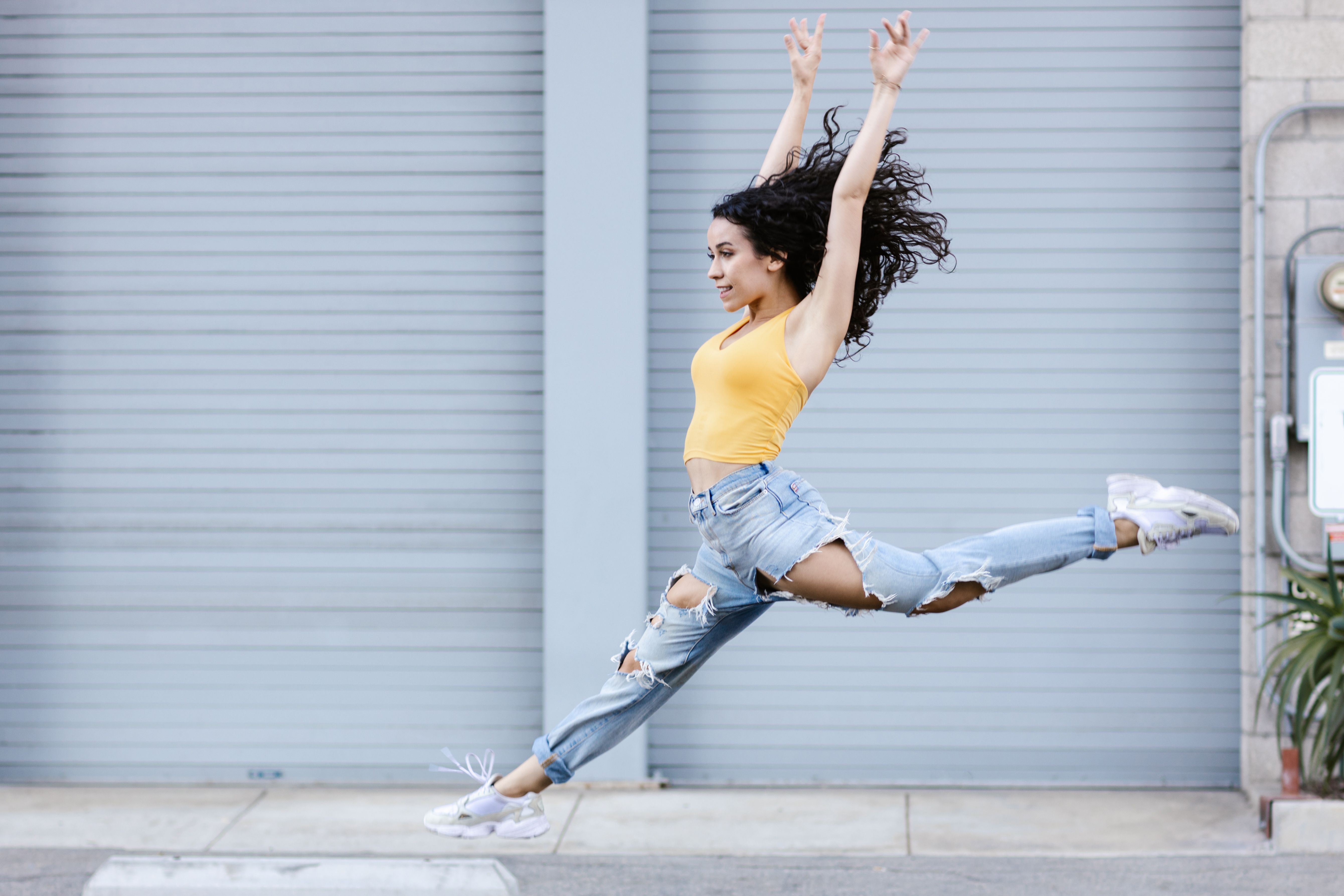
Jumps require dancers to generate force from the floor and then control their landing. Strong glutes can contribute to both phases of the movement. During takeoff, the glutes help extend the hips and generate power. During landing, strong muscles help absorb and control force. Practicing strength exercises alongside proper jump and landing technique can help dancers become more confident with explosive movements.
They Support Endurance During Long Rehearsals
Dance classes and rehearsals can last for hours, requiring dancers to repeat movements many times. Strong muscles may make it easier to maintain control and technique as fatigue builds. Glute-focused strength training can be one component of a broader conditioning program that includes core work, leg strength, cardiovascular conditioning, mobility, and adequate recovery.
How Dancers Can Strengthen Their Glutes
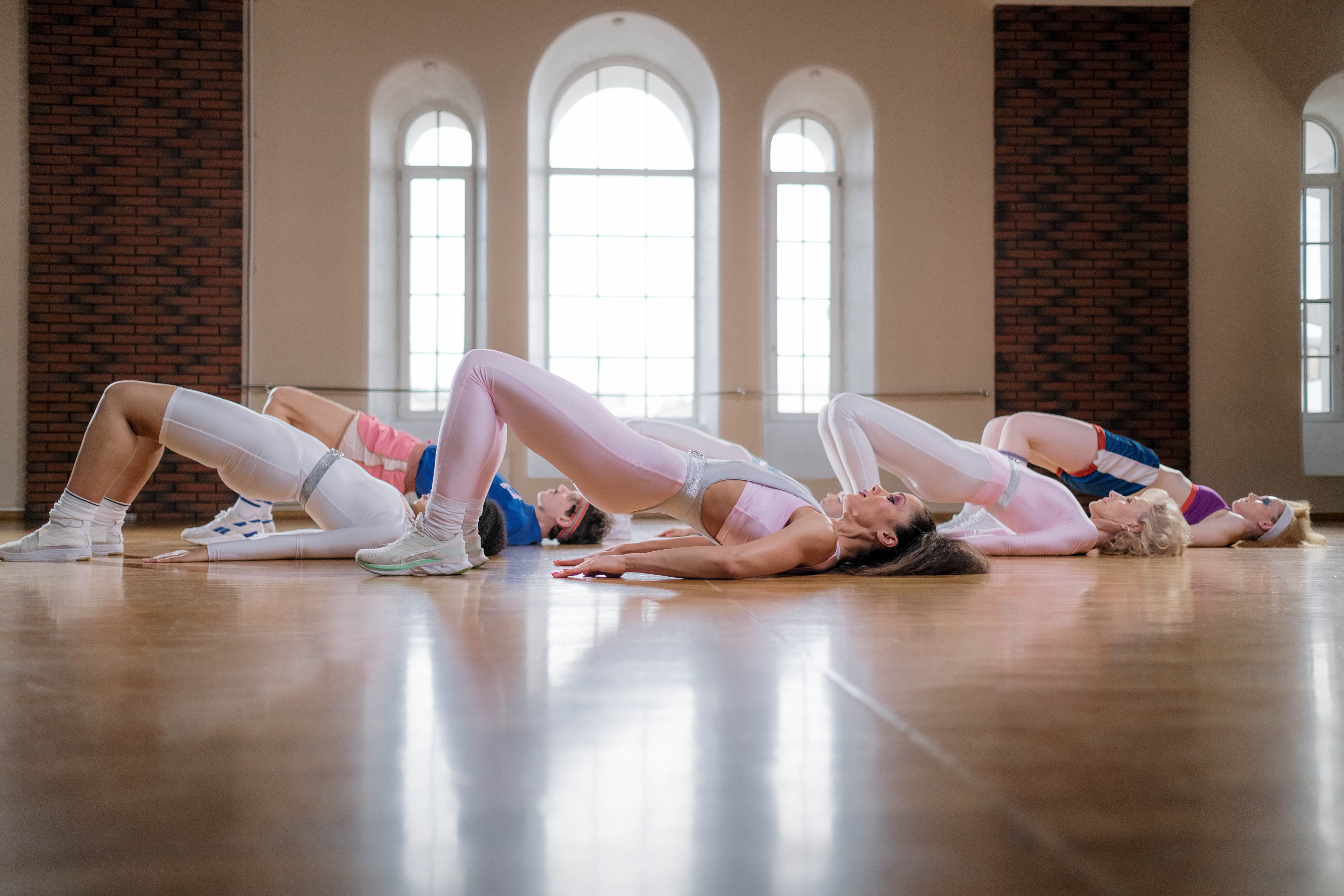
Dancers do not need complicated workouts to start building glute strength. Bodyweight exercises such as glute bridges, squats, reverse lunges, step-ups, and controlled single-leg exercises can be effective.
The focus should be on controlled movement and proper form rather than simply performing as many repetitions as possible. Resistance can be gradually increased as strength and experience improve.
Final Thoughts
Strong glutes are an important part of a dancer's physical foundation. They contribute to power, balance, stability, jumping, and controlled movement, all of which can support better dance performance. Building strength should complement, rather than replace, technique and flexibility training. With consistent conditioning, proper form, and adequate recovery, dancers can develop stronger lower bodies that are ready for the demands of rehearsals and performances.
Do you picture yourself as a professional cheerleader?
If you dream of making a dance team but don’t know where to start, my book, Professional Cheerleading Audition Secrets: How to Become an Arena Cheerleader for NFL®, NBA®, and Other Pro Cheer Teams, walks you through the entire process — step by step.
I wrote this book because I truly want you to have access to the insider guidance I wish more aspiring cheerleaders had. Inside, you’ll learn proven strategies for:
- Staying fit and stage-ready
- Developing the confident, resilient mindset judges look for
- Presenting a polished, professional image
- Standing out at auditions
- And performing at your absolute best under pressure
Every tip comes from over 20 years of experience in the professional cheerleading industry — the real-world lessons, the mistakes to avoid, and the details that can make the difference between getting cut and making the team.
If you're serious about earning your spot and turning your dream into reality, this book is your competitive edge.
Click below to grab your copy and take the first step toward making your dream team.
