
Beating the Autumn Blues: Mental Health Tips for Pro Cheerleaders

Autumn can bring cooler weather, changing routines, and exciting performance opportunities, but it can also create emotional challenges for professional cheerleaders. As schedules shift and daylight hours become shorter, some athletes may experience lower energy, increased stress, or changes in motivation. Balancing rehearsals, performances, work, and personal responsibilities can make these feelings even harder to manage. Taking care of your mental health is just as important as maintaining your physical conditioning. With a few intentional habits, pro cheerleaders can navigate the season with greater balance and confidence.
1. Recognize Changes in Your Mood
The first step toward managing the autumn blues is recognizing when something feels different. You might notice that you feel more tired than usual, struggle to concentrate during practice, or find less enjoyment in activities you normally love.
These feelings do not automatically mean something is wrong, but they are worth paying attention to. Give yourself time to reflect on your emotions without judging yourself for having a difficult day. Tracking your mood, sleep, and energy levels can help you identify patterns and recognize when you may need additional support.
If low mood persists, interferes with daily life, or becomes overwhelming, consider speaking with a qualified mental health professional.
2. Prioritize Rest and Recovery

Professional cheerleading requires strength, flexibility, stamina, and concentration. When training schedules become demanding, rest can easily become an afterthought. However, insufficient recovery can contribute to physical fatigue, irritability, and difficulty managing stress.
Establish a consistent sleep schedule whenever possible, and create a calming bedtime routine that allows you to unwind after rehearsals. Gentle stretching, reading, or listening to relaxing music can help you transition from performance mode to rest.
Remember that taking a recovery day when appropriate is not a sign of weakness. It is part of maintaining your physical health and supporting your emotional well-being throughout the season.
Read more: Are You Recovering Enough? Key Recovery Metrics Every Pro Cheerleader Should Monitor
3. Stay Connected With Your Support System
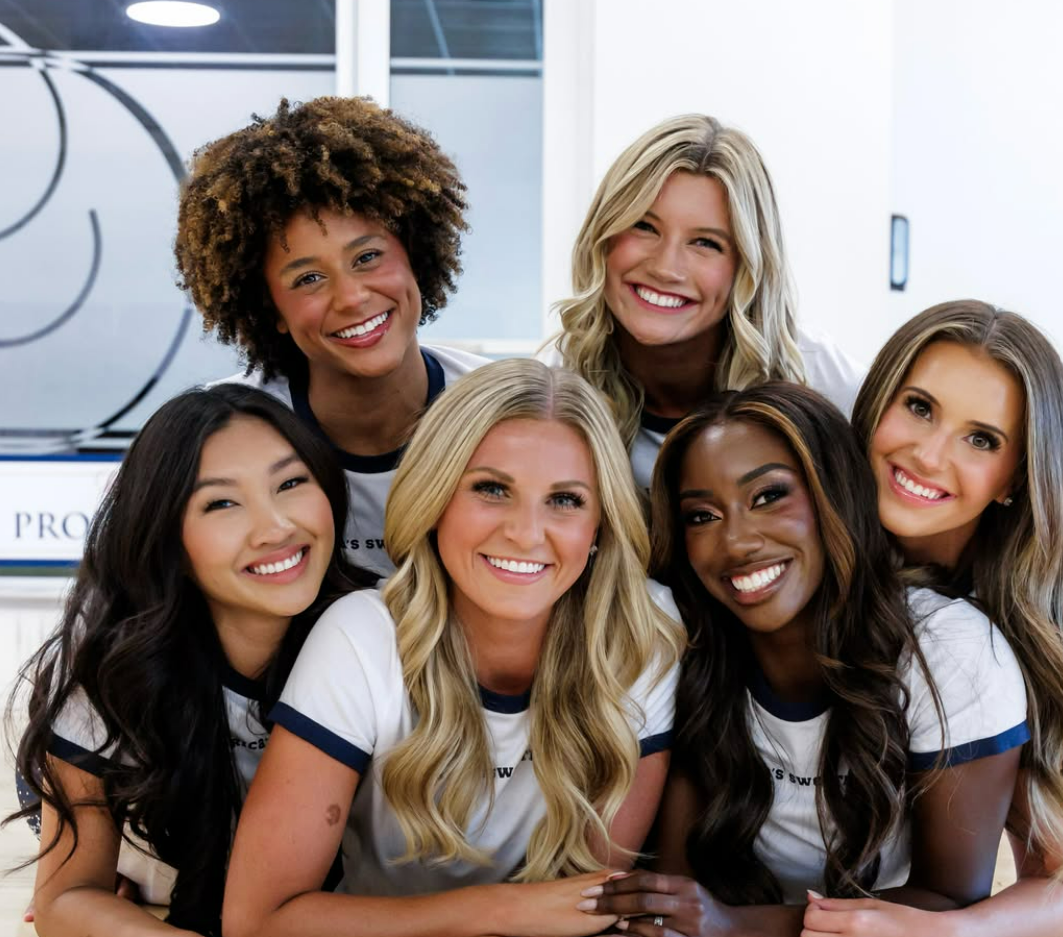
Image credit: Dallas Cowboys Cheerleaders
Cheerleaders often build strong friendships through shared training and performance experiences. These connections can become valuable sources of encouragement during emotionally challenging periods.
Make time to connect with teammates outside practice, check in with trusted friends, or spend quality time with family. Talking openly about stress can help you feel less isolated and remind you that you do not have to manage every challenge alone.
You can also support teammates by listening without immediately trying to solve their problems. Small gestures of kindness and understanding can strengthen team relationships and create a healthier environment for everyone.
Read more: Pro Cheer Wellness: Creating a Support System On and Off the Field
4. Find Joy Beyond Cheerleading

When much of your schedule revolves around training, competitions, and appearances, it can be easy to tie your happiness entirely to performance. Autumn is a great opportunity to reconnect with interests that allow you to relax and express other parts of yourself.
Try a creative hobby, explore a local park, prepare a favorite seasonal meal, or enjoy a quiet afternoon with friends. These activities provide a welcome change of pace and remind you that your identity extends beyond your role as a performer.
Discover: Pro Cheer Wellness: Daily Habits That Will Make You Happier
5. Adjust Your Routine With the Season
Shorter days can make maintaining motivation more challenging. When possible, spend time outdoors during daylight, eat balanced meals, stay hydrated, and incorporate gentle movement on recovery days.
Avoid expecting yourself to feel energetic and productive every moment. Some days will require more rest than others, and flexibility can help you maintain a sustainable routine.
Final Thoughts
Beating the autumn blues begins with recognizing your needs and giving yourself permission to prioritize them. By protecting your recovery time, nurturing supportive relationships, and making room for activities outside cheerleading, you can support your mental health throughout the season. Remember, taking care of your mind is an essential part of being a strong, confident, and resilient athlete.
Do you picture yourself as a professional cheerleader?
If you dream of making a dance team but don’t know where to start, my book, Professional Cheerleading Audition Secrets: How to Become an Arena Cheerleader for NFL®, NBA®, and Other Pro Cheer Teams, walks you through the entire process — step by step.
I wrote this book because I truly want you to have access to the insider guidance I wish more aspiring cheerleaders had. Inside, you’ll learn proven strategies for:
- Staying fit and stage-ready
- Developing the confident, resilient mindset judges look for
- Presenting a polished, professional image
- Standing out at auditions
- And performing at your absolute best under pressure
Every tip comes from over 20 years of experience in the professional cheerleading industry — the real-world lessons, the mistakes to avoid, and the details that can make the difference between getting cut and making the team.
If you're serious about earning your spot and turning your dream into reality, this book is your competitive edge.
Click below to grab your copy and take the first step toward making your dream team.
