
Massage Guns for Dancers: Benefits and Best Practices
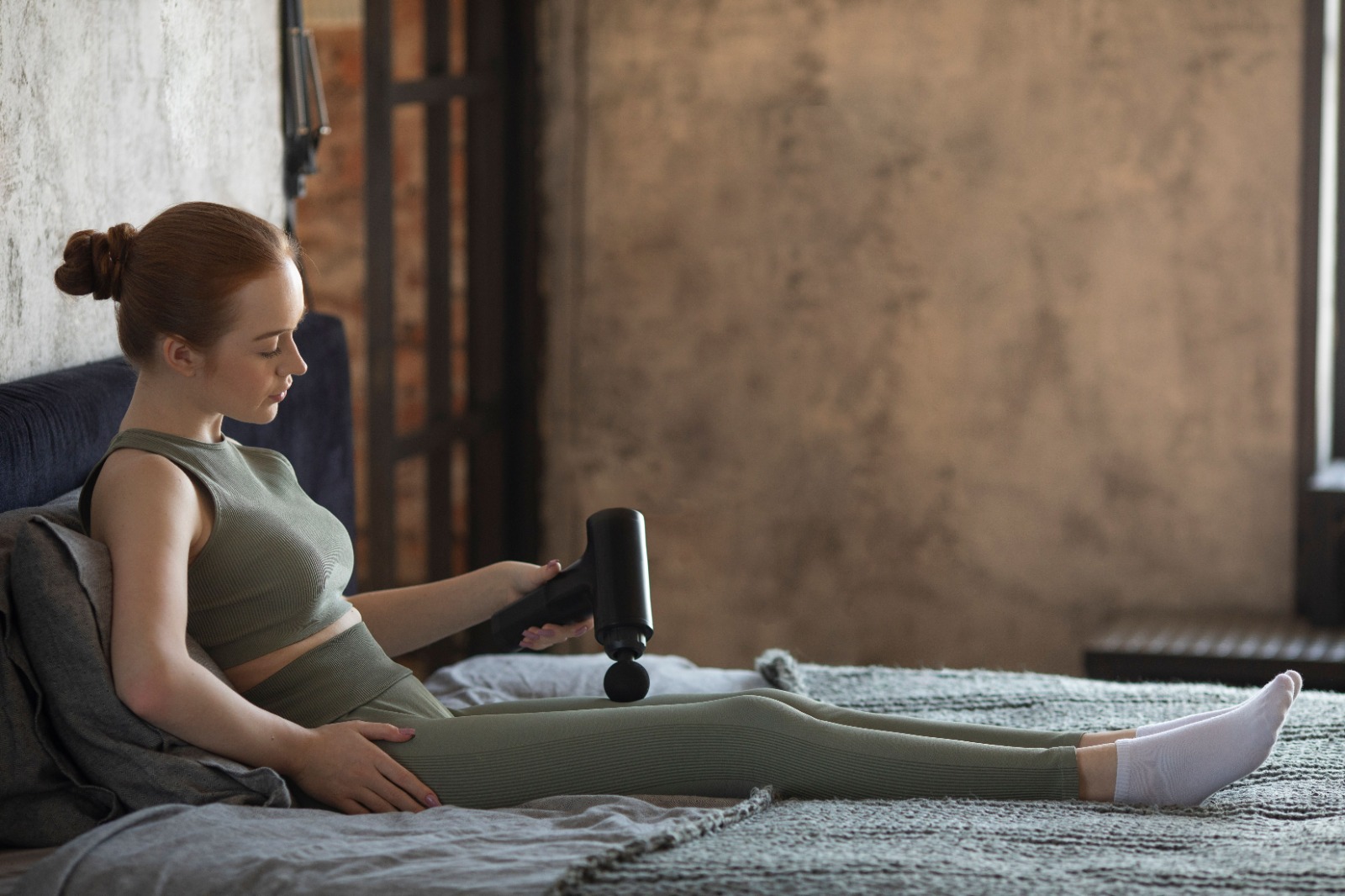
Dance places significant demands on the body. Rehearsals, performances, and conditioning sessions can leave muscles feeling tight and fatigued, especially after repetitive jumps, turns, and floor work. To support recovery, many dancers have added massage guns to their post-workout routines. When used correctly, these handheld devices can help ease muscle tension and promote recovery, making them a useful complement to a well-rounded training program.
Massage guns use rapid, targeted pulses to stimulate soft tissue. This form of percussion therapy can help relax tight muscles and increase circulation in the treated area. While they should not replace professional medical care or physical therapy when needed, they can be a valuable tool for everyday muscle maintenance.
Benefits of Using a Massage Gun
One of the biggest advantages of a massage gun is its ability to reduce post-exercise muscle soreness. After an intense rehearsal, dancers often experience stiffness in the calves, quadriceps, hamstrings, glutes, and back. Gentle percussion therapy may help relieve muscle tightness, allowing dancers to feel more comfortable during their next training session.
Massage guns can also temporarily improve flexibility by helping muscles relax before stretching. Some dancers use them as part of their warm-up routine, applying short sessions to major muscle groups before dynamic exercises. This approach may help prepare the body for movement without replacing a proper warm-up.
Another benefit is convenience. Unlike scheduling a professional massage, a massage gun can be used at home or in the studio whenever muscles feel tight. This accessibility allows dancers to address minor muscle discomfort before it becomes more noticeable.
Best Practices for Safe Use
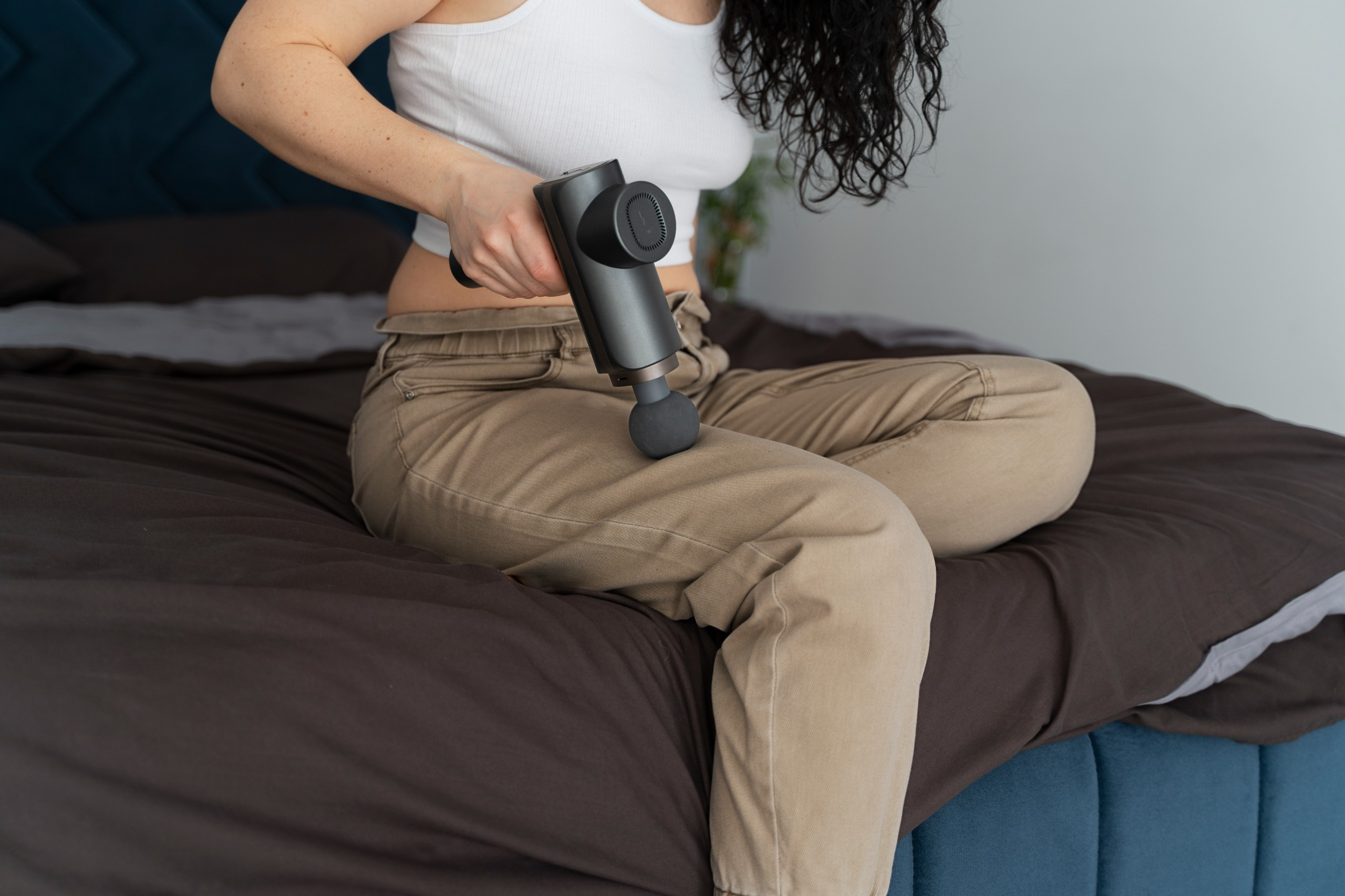
While massage guns are generally easy to use, proper technique is important. Apply the device to large muscle groups rather than directly over joints, bones, or the front of the neck. Keep the massage gun moving slowly instead of holding it in one spot for an extended period, as excessive pressure may cause unnecessary discomfort.
Most muscle groups only require about 30 seconds to two minutes of treatment. Using the massage gun longer does not necessarily produce better results and may leave muscles feeling overly sensitive.
Start with a lower speed setting, especially if you're new to percussion therapy. You can gradually increase the intensity as your body becomes more accustomed to the sensation. The goal is to reduce tension, not create pain.
When to Avoid a Massage Gun
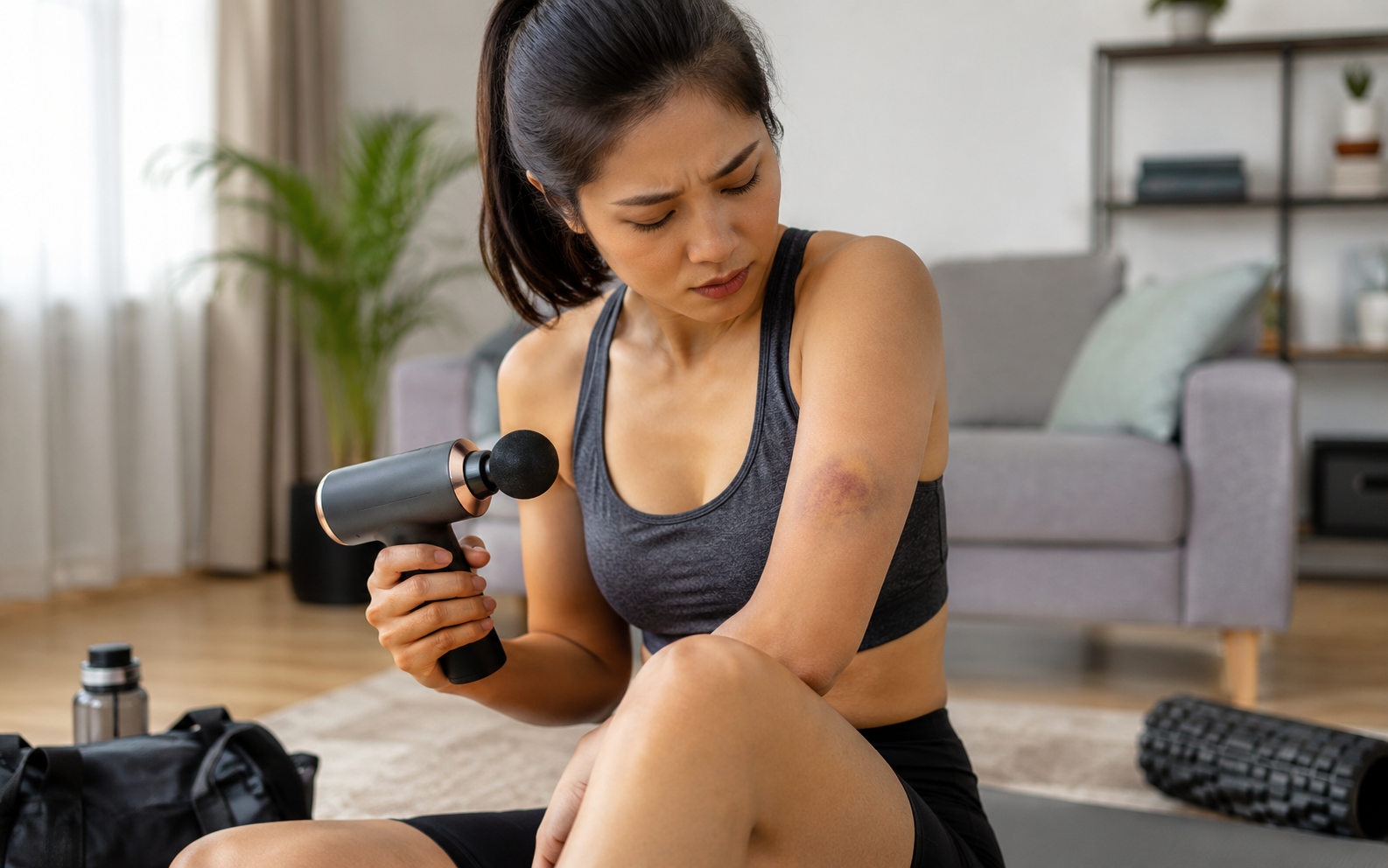
Massage guns should not be used on areas with acute injuries, open wounds, significant bruising, or swelling unless advised by a healthcare professional. If you have a medical condition affecting your muscles, joints, or circulation, consult your healthcare provider before incorporating percussion therapy into your routine.
It's also important to remember that persistent pain is different from normal muscle soreness. Ongoing discomfort should be evaluated by a qualified medical professional rather than treated solely with a massage gun.
Discover: Ice, Heat, or Stretching? What Actually Helps Dance Muscle Pain
Final Thoughts
Massage guns can be a helpful recovery tool for dancers when used safely and consistently. They may reduce muscle soreness, improve temporary flexibility, and help prepare muscles for movement or recovery after demanding rehearsals. Combined with proper warm-ups, stretching, hydration, adequate nutrition, and sufficient rest, percussion therapy can support healthy training habits and help dancers perform at their best throughout the season.
Do you picture yourself as a professional cheerleader?
If you dream of making a dance team but don’t know where to start, my book, Professional Cheerleading Audition Secrets: How to Become an Arena Cheerleader for NFL®, NBA®, and Other Pro Cheer Teams, walks you through the entire process — step by step.
I wrote this book because I truly want you to have access to the insider guidance I wish more aspiring cheerleaders had. Inside, you’ll learn proven strategies for:
- Staying fit and stage-ready
- Developing the confident, resilient mindset judges look for
- Presenting a polished, professional image
- Standing out at auditions
- And performing at your absolute best under pressure
Every tip comes from over 20 years of experience in the professional cheerleading industry — the real-world lessons, the mistakes to avoid, and the details that can make the difference between getting cut and making the team.
If you're serious about earning your spot and turning your dream into reality, this book is your competitive edge.
Click below to grab your copy and take the first step toward making your dream team.
