
Muscle Soreness vs. Injury: What Dancers and Cheerleaders Should Know
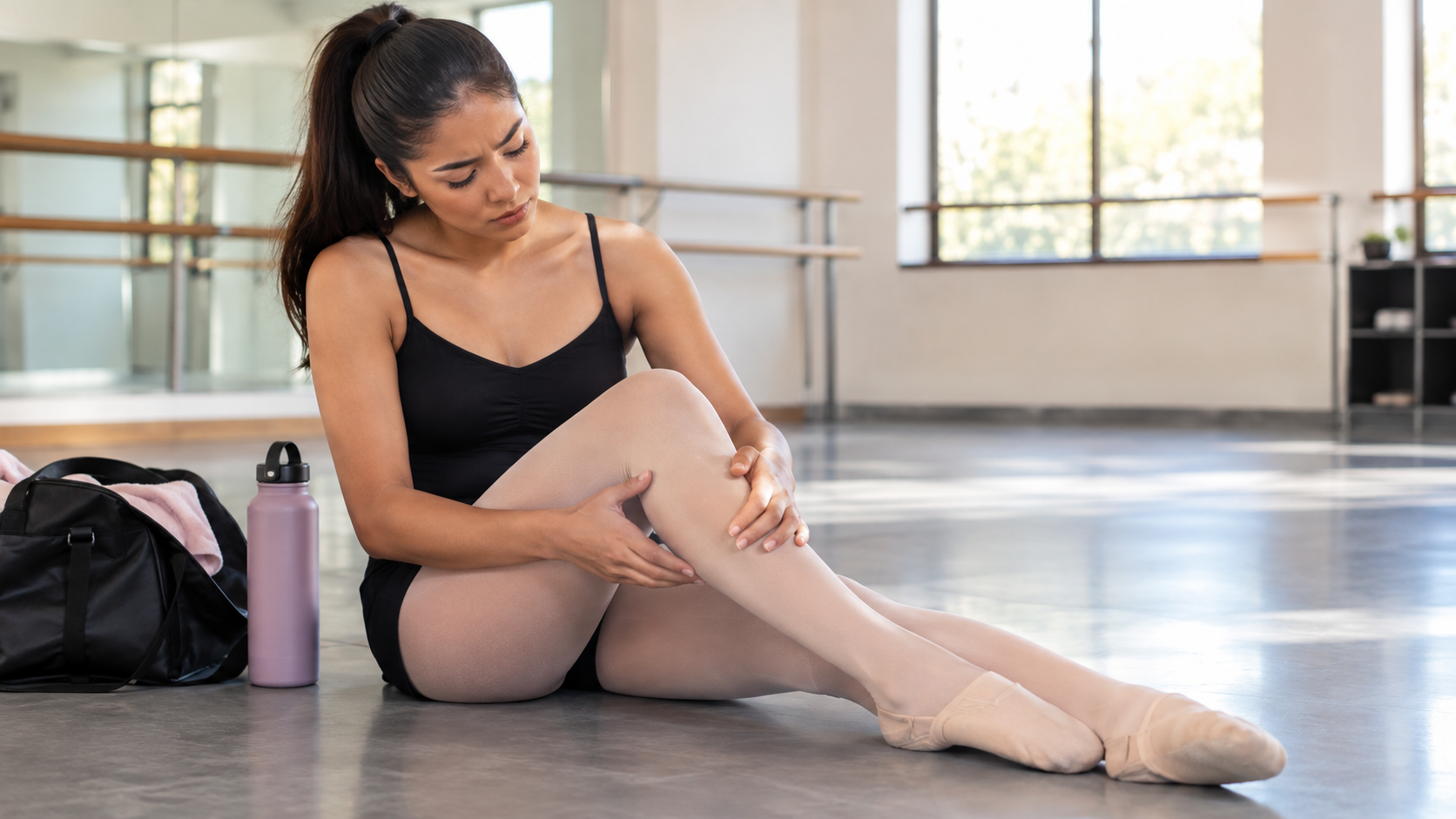
Dancers and cheerleaders regularly push their bodies through jumps, turns, kicks, lifts, conditioning, and repetitive movements. Some muscle soreness is a normal part of training, especially after increasing intensity or learning something new. However, not every ache or pain should be ignored. Knowing the difference between ordinary soreness and a possible injury can help performers respond appropriately and avoid making a problem worse.
Understanding Normal Muscle Soreness
Delayed-onset muscle soreness, often called DOMS, can develop after a challenging workout or unfamiliar activity. It commonly appears several hours after exercise and may become more noticeable over the following day or two.
Sore muscles may feel tender, stiff, or tired. The discomfort is usually felt across the muscles that were worked rather than in one precise spot. Gentle movement may help loosen the body, although dancers should still allow adequate recovery before returning to intense training. Soreness is generally temporary and should gradually improve with rest and recovery.
Recognizing Signs of a Possible Injury
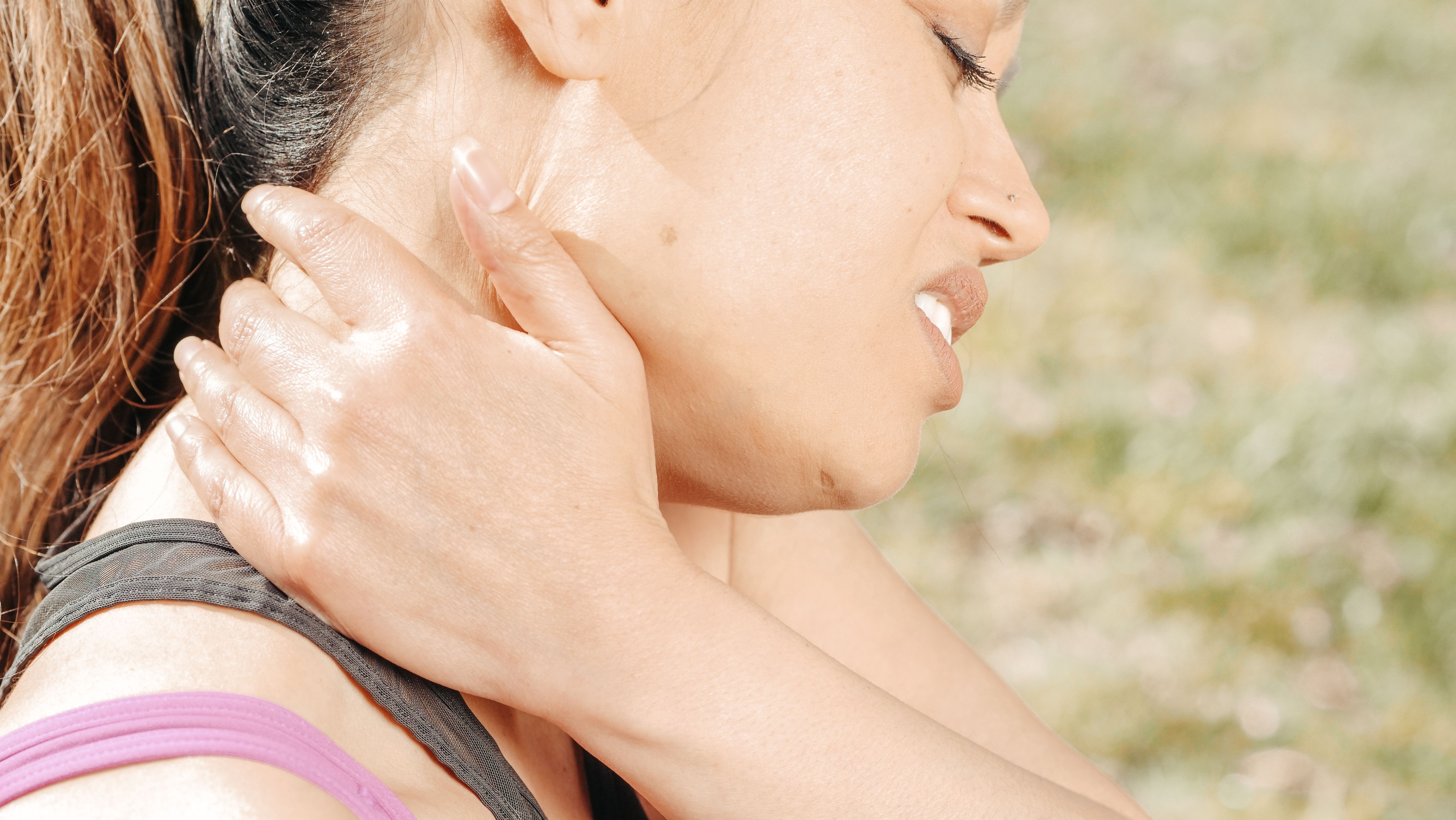
Injury-related pain can feel different from typical muscle soreness. Sharp, sudden, or severe pain during a movement may be a warning sign. Pain that is concentrated in a joint, tendon, ligament, or specific area can also deserve closer attention.
Swelling, bruising, significant weakness, instability, numbness, or difficulty putting weight on an area may indicate something more serious. A performer who experiences a sudden injury, hears or feels a pop, or cannot move normally should not simply try to dance through it.
Persistent or worsening pain is another reason to seek professional evaluation.
Discover: How to Stay Healthy and Injury-Free: Tips for NBA Cheerleaders
Don't Let Performance Pressure Override Your Body
Dancers and cheerleaders may feel pressure to continue practicing because of rehearsals, competitions, performances, auditions, or team commitments. However, ignoring pain does not necessarily demonstrate toughness or dedication.
Continuing to train through an injury can potentially make the problem worse and extend the recovery period. Communicating with a coach, choreographer, athletic trainer, physical therapist, or healthcare professional can help determine the safest next step.
Give Your Body Time to Recover

Recovery is part of training, not a sign of weakness. Adequate sleep, hydration, nutrition, rest days, and appropriate conditioning can support the body's ability to recover from demanding activity.
A proper warm-up and gradual increases in training intensity can also help performers prepare their bodies for more challenging movements. When returning after an injury, follow professional guidance rather than rushing back to full activity.
Read more: Are You Recovering Enough? Key Recovery Metrics Every Pro Cheerleader Should Monitor
Pay Attention to Patterns
Keeping track of when pain occurs can help you recognize potential problems. Notice whether discomfort appears during a particular movement, becomes worse with continued activity, or remains present even after rest. If the same pain repeatedly returns, it may be worth discussing with a qualified healthcare professional even if it initially seems manageable.
Final Thoughts
Muscle soreness can be a normal response to demanding training, but pain should not automatically be dismissed as part of being a dancer or cheerleader. Learning to recognize changes in pain, movement, strength, and function can help performers make smarter decisions about recovery. When you are unsure whether something is ordinary soreness or an injury, getting professional advice is safer than guessing. Protecting your body today can help you continue performing tomorrow.
Need a Great Workout Routine for Your Pro Cheer Audition Prep?
Pro cheerleaders train to be strong, flexible, toned, and performance-ready. That confident, high-energy presence on the arena floor doesn’t happen by accident — it’s built through smart, consistent training.
If you're serious about auditioning, your workouts need to prepare you not just to look the part… but to perform like a pro. Start with our POM FIT™ INTRO CLASS (Free for a LIMITED time)

This fun, beginner-friendly cardio class introduces you to foundational pom-style movements that help you:
- Build endurance
- Improve coordination
- Strengthen key muscle groups
- Boost confidence in your movement
It’s the perfect starting point if you’re new to pro-style training or getting back into shape for auditions.
Ready to level up?
Take your training further with POM FIT™: GAMEDAY1™ (USD 27.00) — a high-energy series of full-body cardio classes designed specifically for aspiring pro cheerleaders.

Inside GAMEDAY1™, you’ll get:
- A full-body cardio burn
- Body stretch class
- Kick stretch class
- Abdominal workout class
- And more performance-focused conditioning
This is the kind of structured training that helps you look sharp, feel strong, and perform with power on audition day. Start training like a pro today and build the foundation you need to shine at auditions!