
What to Do When You Feel Like You’re Not Improving in Dance

Every dancer reaches a point when progress seems to disappear. You practice regularly, attend classes, and put in the effort, yet you may feel like your technique, performance, or confidence is not getting any better. This can be frustrating, especially when you compare yourself with dancers who seem to improve faster. However, feeling stuck does not necessarily mean you are failing. It may simply mean that your progress has become harder to notice.
Stop Comparing Your Progress to Others
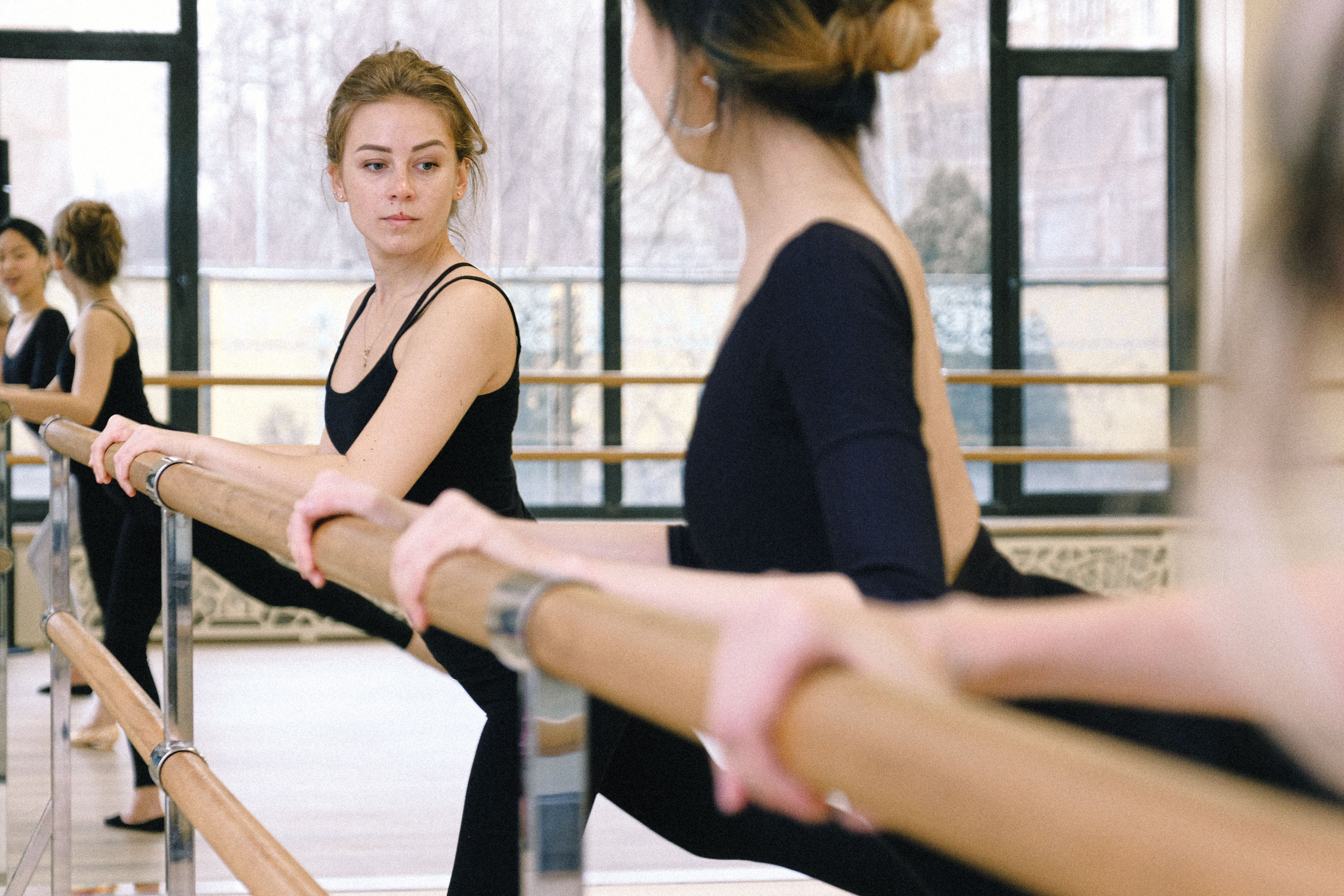
One of the easiest ways to become discouraged is to compare yourself with another dancer. Everyone has a different background, body, learning style, and amount of training experience.
Instead of asking why someone else is progressing faster, compare your current abilities with where you were a few months ago. You may notice improvements in your balance, musicality, flexibility, strength, memory, or confidence that were difficult to recognize day by day.
Read more: How to Ditch the Comparison Trap in Your Dance Career and Life
Focus on Specific Goals
"I want to get better at dancing" is a difficult goal to measure. Try breaking it into smaller, specific objectives.
For example, you might work on improving your turns, cleaning a particular combination, developing stronger lines, or staying on rhythm throughout an entire routine. Choose one or two areas to focus on at a time. Clear goals make practice more purposeful and make progress easier to recognize.
Discover: 6 Things That Stop You from Reaching Your Goals in Dancing
Ask for Feedback
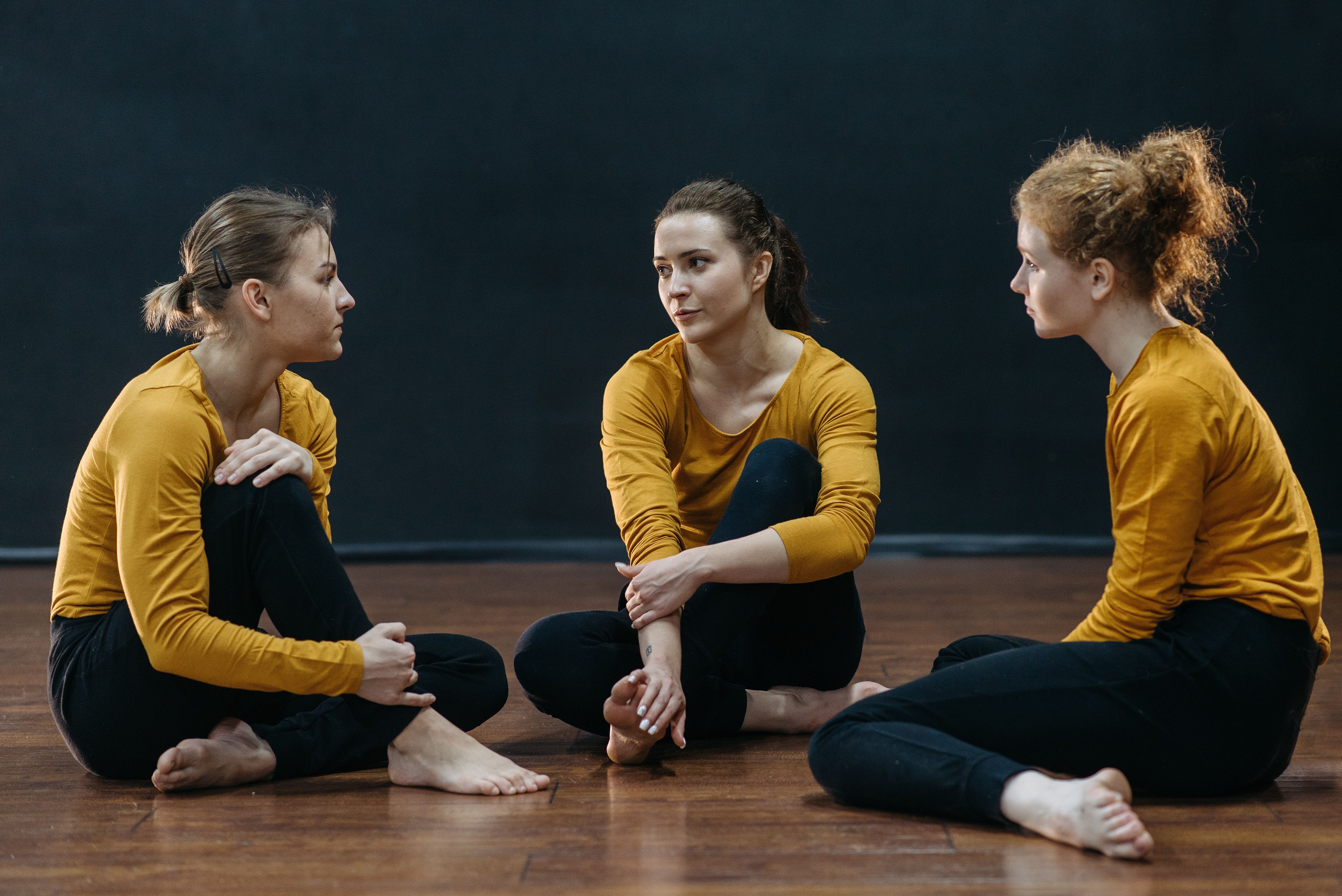
Sometimes dancers cannot identify their own weaknesses because they see their movements differently from an instructor or observer. Ask your dance teacher for honest, specific feedback.
Instead of simply asking, "Am I improving?" try asking, "What is one thing I should focus on improving this month?" A clear answer gives you something practical to work toward.
Recording yourself during practice can also help. Watching your dancing from an outside perspective may reveal habits you do not notice while moving.
Change Your Practice Routine
Practicing for hours does not automatically guarantee improvement. If you repeatedly perform the same movements incorrectly, you may simply reinforce the same habits.
Try slowing combinations down, isolating difficult movements, practicing with a metronome, or working in front of a mirror. Short, focused practice sessions can often be more productive than long sessions without a specific purpose.
Give Your Body Time to Adapt
Progress in dance is rarely linear. You may experience periods of rapid improvement followed by weeks when things seem unchanged. Your body and brain need time to absorb new skills and movement patterns. Rest is also part of training. Adequate recovery can help you return to practice with more energy and concentration.
Remember Why You Dance
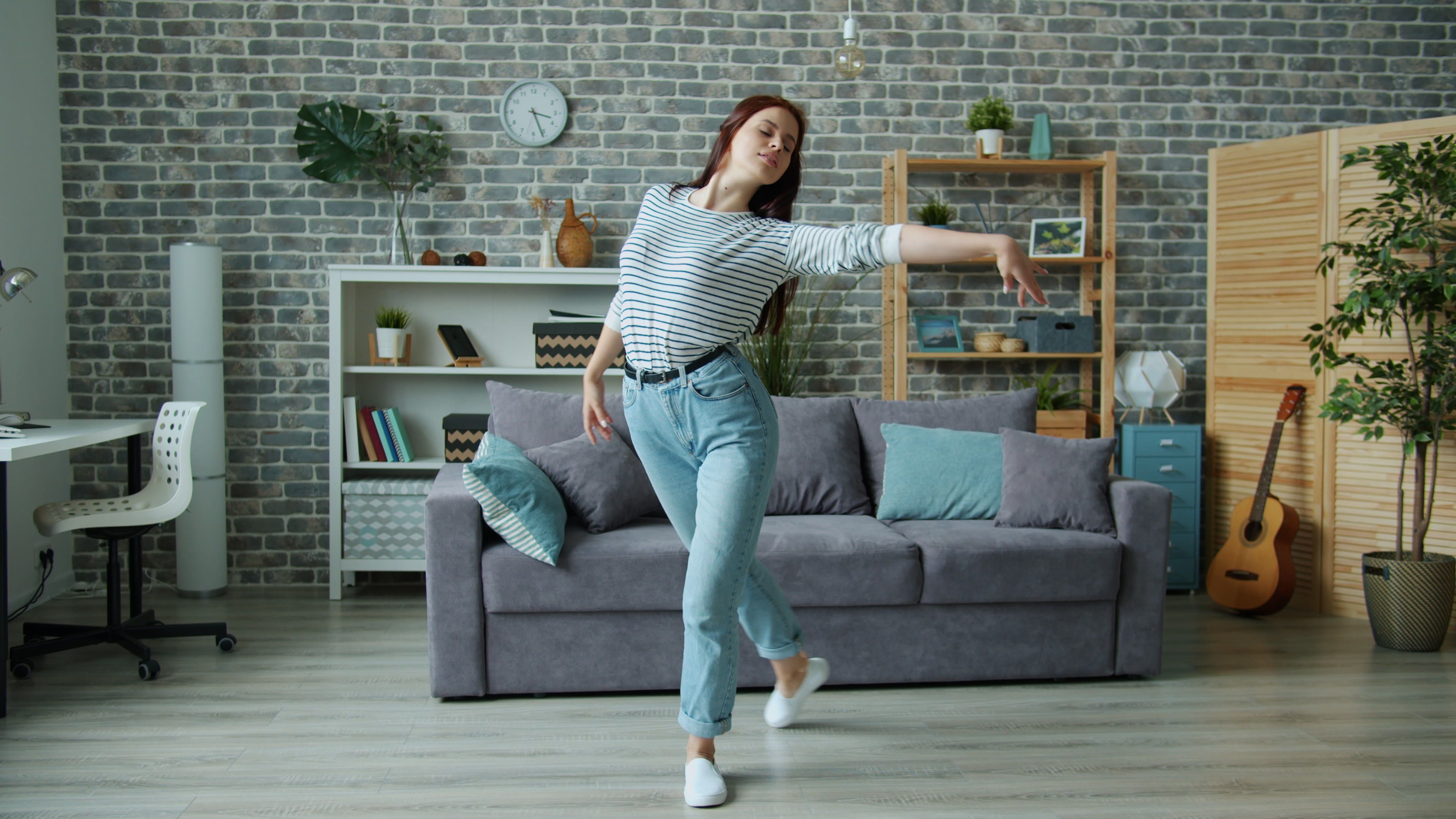
When progress becomes your only measure of success, dancing can start to feel like a chore. Take time to remember what made you fall in love with dance in the first place. Dance for enjoyment. Try a new style, take a class with friends, perform casually, or simply move to music you love. Reconnecting with the fun side of dancing can restore motivation and make training feel rewarding again.
Final Thoughts
Feeling stuck is a normal part of learning to dance. Instead of assuming you are not improving, look for smaller signs of progress, set specific goals, seek feedback, and adjust the way you practice. Most importantly, give yourself patience. Dance is a long-term skill, and improvement does not always happen in a straight line. Keep learning, keep moving, and remember that every practice session contributes to the dancer you are becoming.
Do you picture yourself as a professional cheerleader?
If you dream of making a dance team but don’t know where to start, my book, Professional Cheerleading Audition Secrets: How to Become an Arena Cheerleader for NFL®, NBA®, and Other Pro Cheer Teams, walks you through the entire process — step by step.
I wrote this book because I truly want you to have access to the insider guidance I wish more aspiring cheerleaders had. Inside, you’ll learn proven strategies for:
- Staying fit and stage-ready
- Developing the confident, resilient mindset judges look for
- Presenting a polished, professional image
- Standing out at auditions
- And performing at your absolute best under pressure
Every tip comes from over 20 years of experience in the professional cheerleading industry — the real-world lessons, the mistakes to avoid, and the details that can make the difference between getting cut and making the team.
If you're serious about earning your spot and turning your dream into reality, this book is your competitive edge.
Click below to grab your copy and take the first step toward making your dream team.
