
What to Do When You’re Tired but Still Have Dance Practice
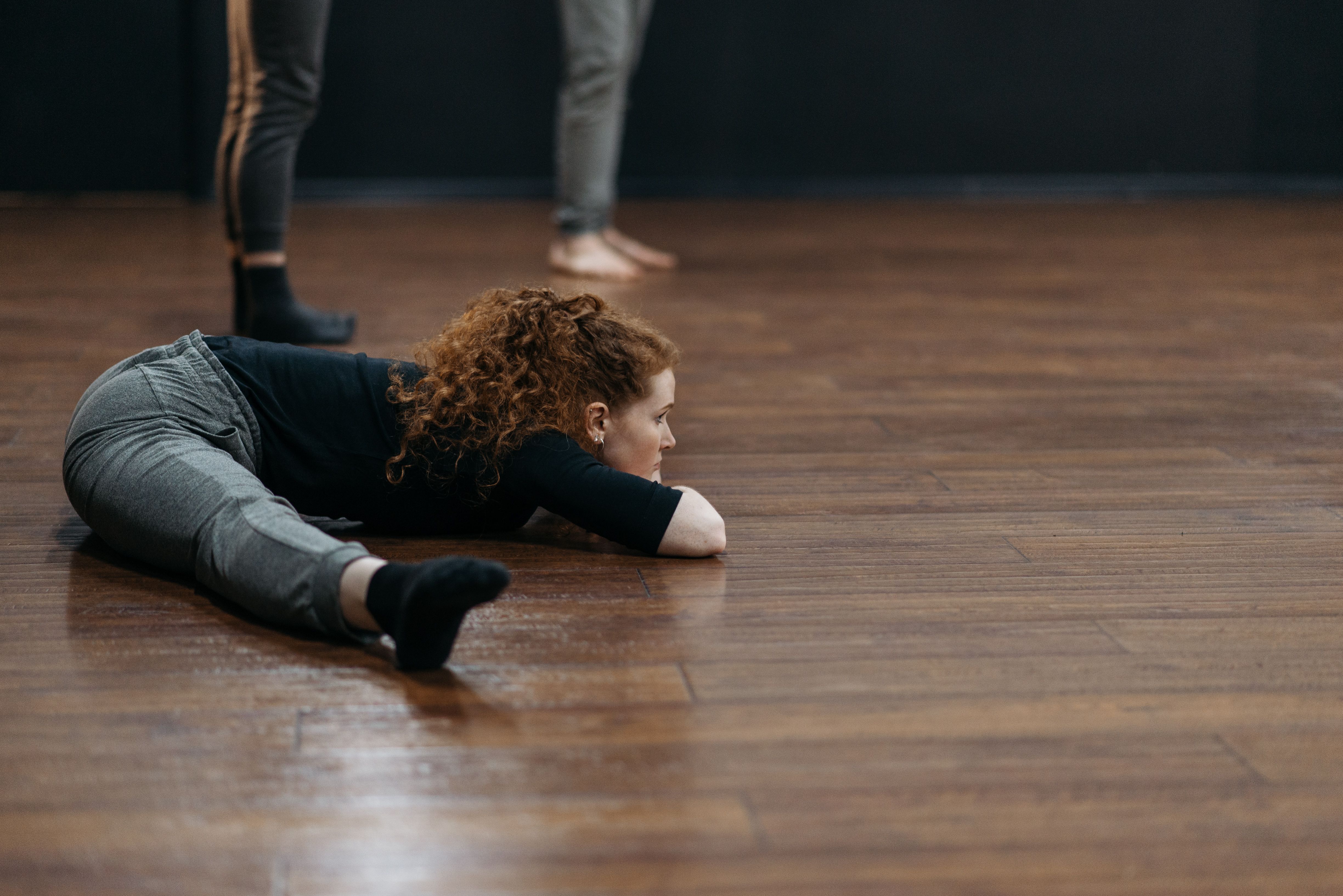
Dance training demands physical energy, mental focus, and emotional commitment. Some days, you walk into practice feeling ready to give everything. Other days, you arrive tired after a long day and wonder how you're going to make it through rehearsal. Learning how to respond to those low-energy days can help you train smarter without ignoring what your body needs.
Check In With Yourself First
Before practice begins, take a moment to figure out what kind of tired you're experiencing. You may simply be sleepy, mentally drained, or physically fatigued from a busy schedule. These situations are different from feeling sick, unusually weak, dizzy, or experiencing pain.
If you're dealing with illness, significant pain, or symptoms that feel unusual, pushing through practice may not be the best choice. Let your instructor or coach know and prioritize recovery.
Discover: The Best Recovery Tips After Intense Professional Cheerleading Practices
Fuel and Hydrate

Sometimes fatigue is made worse by going too long without food or fluids. If you haven't eaten recently, consider having a balanced snack before practice. A combination of carbohydrates and protein can provide useful fuel without leaving you feeling overly full.
Hydration matters too. Start drinking water before rehearsal rather than waiting until you're extremely thirsty. During longer or particularly sweaty sessions, your fluid needs may be higher.
Give Yourself a Longer Warm-Up
When you're tired, jumping immediately into demanding choreography can make your body feel even more sluggish. Give yourself extra time to gradually increase your movement.
Start with gentle mobility exercises, easy movement patterns, and a gradual increase in intensity. Use the warm-up to assess how your body feels. You may discover that you feel considerably better once you begin moving.
Adjust Your Expectations
A tired practice doesn't have to be a wasted practice. You may not be able to give the same intensity you would on your best day, and that's okay. Focus on specific goals instead. You might work on musicality, choreography retention, arm placement, transitions, or performance details. If your energy improves, increase your effort gradually. If it doesn't, use the session as an opportunity to refine technique rather than forcing maximum intensity.
Stay Mentally Engaged

Fatigue can make choreography feel harder to remember. Break combinations into smaller sections and focus on one phrase at a time. Count out loud if it helps, visualize the movement before attempting it, and give yourself a moment to reset when your concentration starts slipping. Quality practice can sometimes be more valuable than simply completing endless repetitions.
Read more: How to Combat Low Energy and Fatigue in Dancing
Know When to Stop
One of the most important skills for a dancer is recognizing when fatigue has crossed the line from normal tiredness to a reason to stop. Sharp pain, dizziness, unusual weakness, loss of coordination, or feeling increasingly unwell should not be ignored.
Talk to your instructor when you need to modify an exercise or take a break. Resting when necessary is part of responsible training, not a sign that you're not committed.
Recover After Practice
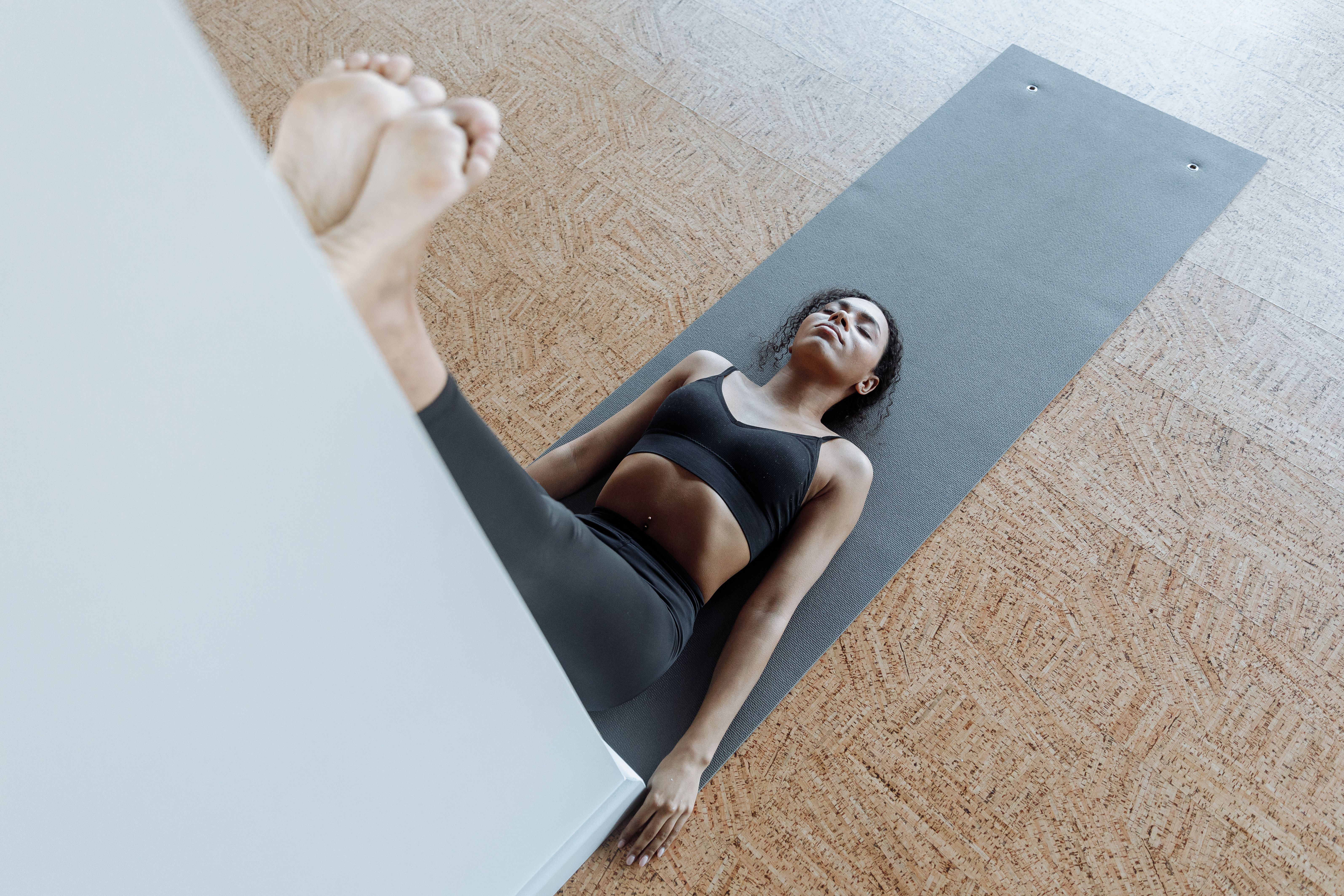
What you do after rehearsal can influence how you feel the next day. Give yourself time to cool down, rehydrate, eat a nourishing meal or snack, and get adequate sleep. If you're repeatedly exhausted before practice, look at your overall schedule rather than treating every tired day as an individual problem.
Final Thoughts
Being tired doesn't automatically mean you need to skip every dance practice, but it does mean you should pay closer attention to your body. Adjusting your intensity, fueling properly, warming up gradually, and knowing when to rest can help you make smart decisions. Consistent progress comes from balancing challenging training with the recovery your body needs.
Do you picture yourself as a professional cheerleader?
If you dream of making a dance team but don’t know where to start, my book, Professional Cheerleading Audition Secrets: How to Become an Arena Cheerleader for NFL®, NBA®, and Other Pro Cheer Teams, walks you through the entire process — step by step.
I wrote this book because I truly want you to have access to the insider guidance I wish more aspiring cheerleaders had. Inside, you’ll learn proven strategies for:
- Staying fit and stage-ready
- Developing the confident, resilient mindset judges look for
- Presenting a polished, professional image
- Standing out at auditions
- And performing at your absolute best under pressure
Every tip comes from over 20 years of experience in the professional cheerleading industry — the real-world lessons, the mistakes to avoid, and the details that can make the difference between getting cut and making the team.
If you're serious about earning your spot and turning your dream into reality, this book is your competitive edge.
Click below to grab your copy and take the first step toward making your dream team.
